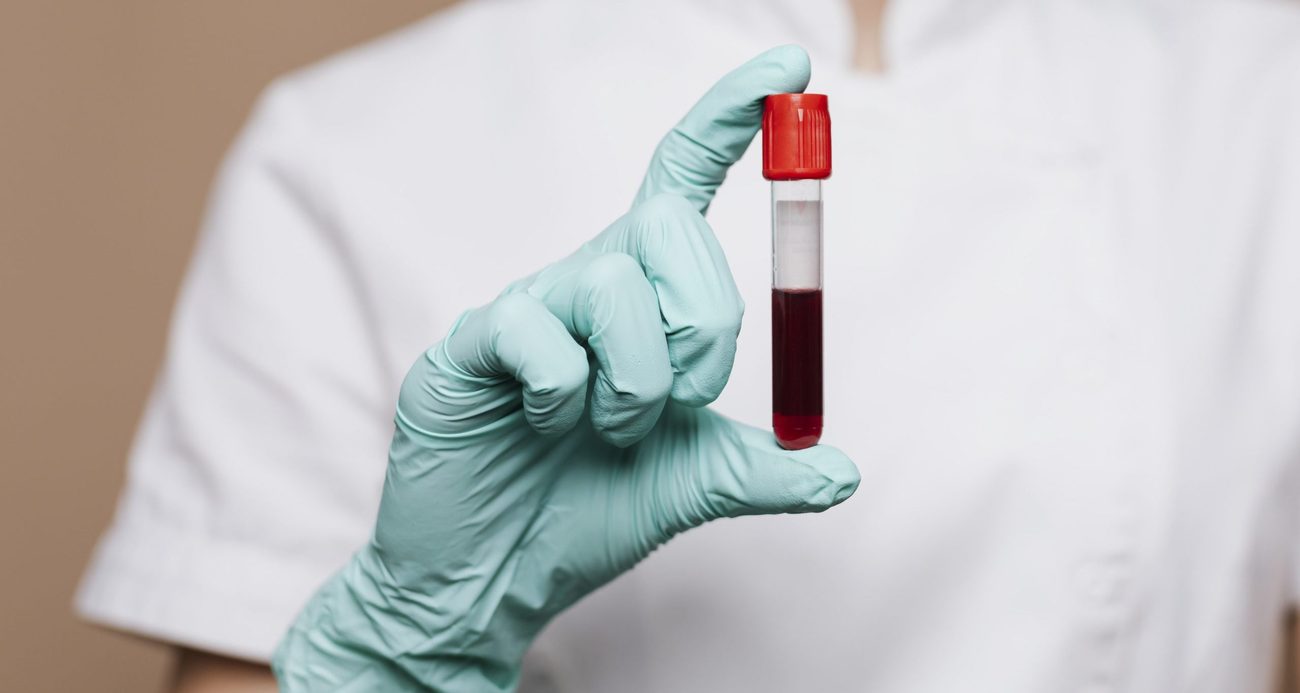

Back to Labs

Hematocrit details

Description

Hematocrit measures the percentage of your total blood volume that's made up of red blood cells, and it's one of the core values in a complete blood count (CBC), closely related to hemoglobin. Low hematocrit indicates anemia (too few red blood cells or too little hemoglobin), which can result from blood loss, nutritional deficiencies (like iron, B12, or folate), chronic disease, or bone marrow problems, and can cause fatigue, weakness, and shortness of breath. High hematocrit (polycythemia) can result from dehydration, chronic low oxygen levels (like from lung disease or living at high altitude), or, less commonly, a bone marrow disorder that overproduces red blood cells.

  1. These statements have not been evaluated by the Food and Drug Administration. This product is not intended to diagnose, treat, cure, or prevent any disease.
Laboratory

Blood tests with Hematocrit

Explore available tests to better understand your results and gain deeper insights into your health.

Single marker

Hematocrit

$5.49

Hematocrit measures the percentage of red blood cells in the total blood volume. It is used to assess anemia, dehydration, and other conditions affecting red blood cell concentration.

Sample type
Whole Blood
Avg. sample processing time
2 Business days
Require fasting
No
Biomarkers
  • Hematocrit The percentage of your blood volume made up of red blood cells. Used to help diagnose anemia or polycythemia (excess red blood cells).

Panel

Anemia Profile A

$35.50

This panel checks key markers to see if the patient has levels that point towards anemia.

Sample type
Serum Whole Blood
Avg. sample processing time
6 Business days
Require fasting
No
Biomarkers
  • Eosinophil Count The number of eosinophils, a white blood cell type involved in allergic reactions and parasite defense, in your blood.
  • Monocytes (%) The percentage of your white blood cells that are monocytes, cells that help fight infection and clear damaged tissue.
  • Basophil Count The number of basophils, a type of white blood cell involved in allergic and inflammatory responses, in your blood.
  • Monocyte Count The number of monocytes, white blood cells that help fight infection and clear damaged cells, in your blood.
  • MCH Mean Corpuscular Hemoglobin โ€” the average amount of hemoglobin per red blood cell, used to help classify types of anemia.
  • Eosinophils (%) The percentage of your white blood cells that are eosinophils, elevated with allergies, asthma, or parasitic infections.
  • MCHC Mean Corpuscular Hemoglobin Concentration โ€” the average concentration of hemoglobin within your red blood cells, used to help classify types of anemia.
  • Lymphocyte Count The number of lymphocytes, white blood cells central to your immune response (including T-cells, B-cells, and NK cells), in your blood.
  • WBC White blood cell count โ€” the total number of white blood cells in your blood, key immune cells. Used to help detect infection, inflammation, and other blood disorders.
  • UIBC Unsaturated Iron-Binding Capacity โ€” reflects how much additional iron your blood's transferrin could still carry, used with iron and TIBC to assess iron status.
  • Iron Measures the iron circulating in your blood, used along with other markers (like ferritin and TIBC) to evaluate for iron deficiency or overload.
  • RBC Red blood cell count โ€” the number of oxygen-carrying red blood cells in your blood, used to help diagnose anemia or polycythemia.
  • TIBC Total Iron-Binding Capacity โ€” reflects how much transferrin (the iron-carrying protein) is available in your blood, used with iron and ferritin to evaluate iron status.
  • Platelets Cell fragments that help your blood clot. Counted to screen for bleeding or clotting risk and various blood disorders.
  • Basophils (%) The percentage of your white blood cells that are basophils, a cell type involved in allergic and inflammatory responses.
  • Lymphocytes (%) The percentage of your white blood cells that are lymphocytes, key immune cells including T-cells, B-cells, and NK cells.
  • Neutrophil Count The number of neutrophils, the most abundant white blood cell type and a first-line defense against infection, in your blood.
  • Neutrophils (%) The percentage of your white blood cells that are neutrophils, a first-line defense against infection.
  • RDW Red Cell Distribution Width โ€” measures how much your red blood cells vary in size, helpful for narrowing down the cause of anemia.
  • Hematocrit The percentage of your blood volume made up of red blood cells. Used to help diagnose anemia or polycythemia (excess red blood cells).
  • Hemoglobin The oxygen-carrying protein in your red blood cells. A core marker for diagnosing anemia and other blood disorders.
  • MCV Mean Corpuscular Volume โ€” the average size of your red blood cells, a key value used to help determine the cause of anemia.
  • Transferrin Saturation The percentage of transferrin (your iron-carrying protein) that's currently occupied by iron โ€” a key marker for detecting iron deficiency or overload.
  • Reticulocyte Count The number of young red blood cells in your blood, reflecting how actively your bone marrow is producing new cells.

Anemia Profile A with Full Differential

$22.49

This panel checks key markers to determine if the patient has levels that point towards anemia.

Sample type
Serum Whole Blood
Avg. sample processing time
5 Business days
Require fasting
Yes
Biomarkers
  • Hematocrit The percentage of your blood volume made up of red blood cells. Used to help diagnose anemia or polycythemia (excess red blood cells).
  • Monocytes (%) The percentage of your white blood cells that are monocytes, cells that help fight infection and clear damaged tissue.
  • Iron % Saturation The percentage of transferrin (your iron-carrying protein) that's currently occupied by iron โ€” a key marker for detecting iron deficiency or overload.
  • Mean Corpuscular Hemoglobin (MCH) Mean Corpuscular Hemoglobin โ€” the average amount of hemoglobin per red blood cell, used to help classify types of anemia.
  • Band Neutrophils (%)
  • Neutrophils (%) The percentage of your white blood cells that are neutrophils, a first-line defense against infection.
  • Neutrophils The number of neutrophils, the most abundant white blood cell type and a first-line defense against infection, in your blood.
  • Monocytes The number of monocytes, white blood cells that help fight infection and clear damaged cells, in your blood.
  • Promyelocytes
  • Basophils (%) The percentage of your white blood cells that are basophils, a cell type involved in allergic and inflammatory responses.
  • Mean Corpuscular Hemoglobin Concentration (MCHC) Mean Corpuscular Hemoglobin Concentration โ€” the average concentration of hemoglobin within your red blood cells, used to help classify types of anemia.
  • Metamyelocytes (%)
  • Platelet Count Cell fragments that help your blood clot. Counted to screen for bleeding or clotting risk and various blood disorders.
  • Hemoglobin The oxygen-carrying protein in your red blood cells. A core marker for diagnosing anemia and other blood disorders.
  • Band Neutrophils
  • Nucleated RBC
  • Total Iron Binding Capacity (TIBC) Total Iron-Binding Capacity โ€” reflects how much transferrin (the iron-carrying protein) is available in your blood, used with iron and ferritin to evaluate iron status.
  • White Blood Cell Count (WBC) White blood cell count โ€” the total number of white blood cells in your blood, key immune cells. Used to help detect infection, inflammation, and other blood disorders.
  • Promyelocytes (%)
  • Blasts (%)
  • Red Blood Cell Count (RBC) Red blood cell count โ€” the number of oxygen-carrying red blood cells in your blood, used to help diagnose anemia or polycythemia.
  • Reticulocyte, Absolute
  • Iron, Total Measures the iron circulating in your blood, used along with other markers (like ferritin and TIBC) to evaluate for iron deficiency or overload.
  • Myelocytes
  • Nucleated RBC (%)
  • Metamyelocytes
  • Reticulocyte Count, Automated
  • Eosinophils (%) The percentage of your white blood cells that are eosinophils, elevated with allergies, asthma, or parasitic infections.
  • Myelocytes (%)
  • Lymphocytes The number of lymphocytes, white blood cells central to your immune response (including T-cells, B-cells, and NK cells), in your blood.
  • Red Cell Distribution Width (RDW) Red Cell Distribution Width โ€” measures how much your red blood cells vary in size, helpful for narrowing down the cause of anemia.
  • Lymphocytes (%) The percentage of your white blood cells that are lymphocytes, key immune cells including T-cells, B-cells, and NK cells.
  • Mean Platelet Volume (MPV)
  • Mean Corpuscular Volume Mean Corpuscular Volume โ€” the average size of your red blood cells, a key value used to help determine the cause of anemia.
  • Blasts
  • Eosinophils The number of eosinophils, a white blood cell type involved in allergic reactions and parasite defense, in your blood.
  • Reactive Lymphocytes
  • Basophils The number of basophils, a type of white blood cell involved in allergic and inflammatory responses, in your blood.

Anemia Profile A with UIBC

$43.99

This panel evaluates red blood cells, iron status, and other blood markers that are important for identifying and monitoring anemia.

Sample type
Serum Whole Blood
Avg. sample processing time
6 Business days
Require fasting
No
Biomarkers
  • Reticulocyte Count, Automated
  • Mean Corpuscular Hemoglobin (MCH) Mean Corpuscular Hemoglobin โ€” the average amount of hemoglobin per red blood cell, used to help classify types of anemia.
  • Platelet Count Cell fragments that help your blood clot. Counted to screen for bleeding or clotting risk and various blood disorders.
  • Mean Corpuscular Volume Mean Corpuscular Volume โ€” the average size of your red blood cells, a key value used to help determine the cause of anemia.
  • Basophils The number of basophils, a type of white blood cell involved in allergic and inflammatory responses, in your blood.
  • Monocytes (%) The percentage of your white blood cells that are monocytes, cells that help fight infection and clear damaged tissue.
  • Lymphocytes The number of lymphocytes, white blood cells central to your immune response (including T-cells, B-cells, and NK cells), in your blood.
  • Neutrophils The number of neutrophils, the most abundant white blood cell type and a first-line defense against infection, in your blood.
  • Red Blood Cell Count (RBC) Red blood cell count โ€” the number of oxygen-carrying red blood cells in your blood, used to help diagnose anemia or polycythemia.
  • Iron, Total Measures the iron circulating in your blood, used along with other markers (like ferritin and TIBC) to evaluate for iron deficiency or overload.
  • Red Cell Distribution Width (RDW) Red Cell Distribution Width โ€” measures how much your red blood cells vary in size, helpful for narrowing down the cause of anemia.
  • Monocytes The number of monocytes, white blood cells that help fight infection and clear damaged cells, in your blood.
  • Eosinophils (%) The percentage of your white blood cells that are eosinophils, elevated with allergies, asthma, or parasitic infections.
  • Iron % Saturation The percentage of transferrin (your iron-carrying protein) that's currently occupied by iron โ€” a key marker for detecting iron deficiency or overload.
  • Hemoglobin The oxygen-carrying protein in your red blood cells. A core marker for diagnosing anemia and other blood disorders.
  • Hematocrit The percentage of your blood volume made up of red blood cells. Used to help diagnose anemia or polycythemia (excess red blood cells).
  • Mean Corpuscular Hemoglobin Concentration (MCHC) Mean Corpuscular Hemoglobin Concentration โ€” the average concentration of hemoglobin within your red blood cells, used to help classify types of anemia.
  • Neutrophils (%) The percentage of your white blood cells that are neutrophils, a first-line defense against infection.
  • White Blood Cell Count (WBC) White blood cell count โ€” the total number of white blood cells in your blood, key immune cells. Used to help detect infection, inflammation, and other blood disorders.
  • Eosinophils The number of eosinophils, a white blood cell type involved in allergic reactions and parasite defense, in your blood.
  • Basophils (%) The percentage of your white blood cells that are basophils, a cell type involved in allergic and inflammatory responses.
  • Total Iron Binding Capacity (TIBC) Total Iron-Binding Capacity โ€” reflects how much transferrin (the iron-carrying protein) is available in your blood, used with iron and ferritin to evaluate iron status.
  • Unsaturated Iron Binding Capacity
  • Lymphocytes (%) The percentage of your white blood cells that are lymphocytes, key immune cells including T-cells, B-cells, and NK cells.

Anemia Profile B

$83.00

This panel checks key markers to see if the patient has levels that point towards anemia.

Sample type
Serum Whole Blood
Avg. sample processing time
6 Business days
Require fasting
No
Biomarkers
  • MCV Mean Corpuscular Volume โ€” the average size of your red blood cells, a key value used to help determine the cause of anemia.
  • Reticulocyte Count The number of young red blood cells in your blood, reflecting how actively your bone marrow is producing new cells.
  • Platelets Cell fragments that help your blood clot. Counted to screen for bleeding or clotting risk and various blood disorders.
  • RBC Red blood cell count โ€” the number of oxygen-carrying red blood cells in your blood, used to help diagnose anemia or polycythemia.
  • Lymphocyte Count The number of lymphocytes, white blood cells central to your immune response (including T-cells, B-cells, and NK cells), in your blood.
  • MCHC Mean Corpuscular Hemoglobin Concentration โ€” the average concentration of hemoglobin within your red blood cells, used to help classify types of anemia.
  • RDW Red Cell Distribution Width โ€” measures how much your red blood cells vary in size, helpful for narrowing down the cause of anemia.
  • Eosinophils (%) The percentage of your white blood cells that are eosinophils, elevated with allergies, asthma, or parasitic infections.
  • Hematocrit The percentage of your blood volume made up of red blood cells. Used to help diagnose anemia or polycythemia (excess red blood cells).
  • MCH Mean Corpuscular Hemoglobin โ€” the average amount of hemoglobin per red blood cell, used to help classify types of anemia.
  • Basophil Count The number of basophils, a type of white blood cell involved in allergic and inflammatory responses, in your blood.
  • TIBC Total Iron-Binding Capacity โ€” reflects how much transferrin (the iron-carrying protein) is available in your blood, used with iron and ferritin to evaluate iron status.
  • Folate Vitamin B9, needed for cell division, DNA synthesis, and red blood cell production. Low levels can cause a type of anemia and are important in pregnancy.
  • Neutrophil Count The number of neutrophils, the most abundant white blood cell type and a first-line defense against infection, in your blood.
  • Basophils (%) The percentage of your white blood cells that are basophils, a cell type involved in allergic and inflammatory responses.
  • UIBC Unsaturated Iron-Binding Capacity โ€” reflects how much additional iron your blood's transferrin could still carry, used with iron and TIBC to assess iron status.
  • Monocyte Count The number of monocytes, white blood cells that help fight infection and clear damaged cells, in your blood.
  • Monocytes (%) The percentage of your white blood cells that are monocytes, cells that help fight infection and clear damaged tissue.
  • Hemoglobin The oxygen-carrying protein in your red blood cells. A core marker for diagnosing anemia and other blood disorders.
  • Neutrophils (%) The percentage of your white blood cells that are neutrophils, a first-line defense against infection.
  • Ferritin Reflects your body's stored iron levels. Low levels point to iron deficiency; high levels can indicate iron overload or, since it's also an inflammation marker, other conditions.
  • Eosinophil Count The number of eosinophils, a white blood cell type involved in allergic reactions and parasite defense, in your blood.
  • Transferrin Saturation The percentage of transferrin (your iron-carrying protein) that's currently occupied by iron โ€” a key marker for detecting iron deficiency or overload.
  • Iron Measures the iron circulating in your blood, used along with other markers (like ferritin and TIBC) to evaluate for iron deficiency or overload.
  • WBC White blood cell count โ€” the total number of white blood cells in your blood, key immune cells. Used to help detect infection, inflammation, and other blood disorders.
  • Vitamin B12 A vitamin essential for nerve function and red blood cell production. Low levels can cause fatigue, neurological symptoms, and a type of anemia.
  • Lymphocytes (%) The percentage of your white blood cells that are lymphocytes, key immune cells including T-cells, B-cells, and NK cells.

Anemia Profile B with Full Differential

$46.49

This panel checks key markers to determine if the patient has levels that point towards anemia.

Sample type
Serum Whole Blood
Avg. sample processing time
5 Business days
Require fasting
Yes
Biomarkers
  • Monocytes The number of monocytes, white blood cells that help fight infection and clear damaged cells, in your blood.
  • Mean Platelet Volume (MPV)
  • White Blood Cell Count (WBC) White blood cell count โ€” the total number of white blood cells in your blood, key immune cells. Used to help detect infection, inflammation, and other blood disorders.
  • Basophils The number of basophils, a type of white blood cell involved in allergic and inflammatory responses, in your blood.
  • Eosinophils (%) The percentage of your white blood cells that are eosinophils, elevated with allergies, asthma, or parasitic infections.
  • Reactive Lymphocytes
  • Mean Corpuscular Volume Mean Corpuscular Volume โ€” the average size of your red blood cells, a key value used to help determine the cause of anemia.
  • Reticulocyte Count, Automated
  • Mean Corpuscular Hemoglobin (MCH) Mean Corpuscular Hemoglobin โ€” the average amount of hemoglobin per red blood cell, used to help classify types of anemia.
  • Iron % Saturation The percentage of transferrin (your iron-carrying protein) that's currently occupied by iron โ€” a key marker for detecting iron deficiency or overload.
  • Promyelocytes
  • Basophils (%) The percentage of your white blood cells that are basophils, a cell type involved in allergic and inflammatory responses.
  • Neutrophils The number of neutrophils, the most abundant white blood cell type and a first-line defense against infection, in your blood.
  • Nucleated RBC
  • Red Cell Distribution Width (RDW) Red Cell Distribution Width โ€” measures how much your red blood cells vary in size, helpful for narrowing down the cause of anemia.
  • Myelocytes
  • Total Iron Binding Capacity (TIBC) Total Iron-Binding Capacity โ€” reflects how much transferrin (the iron-carrying protein) is available in your blood, used with iron and ferritin to evaluate iron status.
  • Monocytes (%) The percentage of your white blood cells that are monocytes, cells that help fight infection and clear damaged tissue.
  • Platelet Count Cell fragments that help your blood clot. Counted to screen for bleeding or clotting risk and various blood disorders.
  • Myelocytes (%)
  • Mean Corpuscular Hemoglobin Concentration (MCHC) Mean Corpuscular Hemoglobin Concentration โ€” the average concentration of hemoglobin within your red blood cells, used to help classify types of anemia.
  • Blasts (%)
  • Promyelocytes (%)
  • Eosinophils The number of eosinophils, a white blood cell type involved in allergic reactions and parasite defense, in your blood.
  • Ferritin Reflects your body's stored iron levels. Low levels point to iron deficiency; high levels can indicate iron overload or, since it's also an inflammation marker, other conditions.
  • Hemoglobin The oxygen-carrying protein in your red blood cells. A core marker for diagnosing anemia and other blood disorders.
  • Lymphocytes The number of lymphocytes, white blood cells central to your immune response (including T-cells, B-cells, and NK cells), in your blood.
  • Band Neutrophils (%)
  • Metamyelocytes (%)
  • Folate Vitamin B9, needed for cell division, DNA synthesis, and red blood cell production. Low levels can cause a type of anemia and are important in pregnancy.
  • Lymphocytes (%) The percentage of your white blood cells that are lymphocytes, key immune cells including T-cells, B-cells, and NK cells.
  • Band Neutrophils
  • Metamyelocytes
  • Hematocrit The percentage of your blood volume made up of red blood cells. Used to help diagnose anemia or polycythemia (excess red blood cells).
  • Neutrophils (%) The percentage of your white blood cells that are neutrophils, a first-line defense against infection.
  • Red Blood Cell Count (RBC) Red blood cell count โ€” the number of oxygen-carrying red blood cells in your blood, used to help diagnose anemia or polycythemia.
  • Nucleated RBC (%)
  • Reticulocyte, Absolute
  • Vitamin B12 A vitamin essential for nerve function and red blood cell production. Low levels can cause fatigue, neurological symptoms, and a type of anemia.
  • Blasts
  • Iron, Total Measures the iron circulating in your blood, used along with other markers (like ferritin and TIBC) to evaluate for iron deficiency or overload.

Anemia Profile B with UIBC

$74.49

This panel evaluates red blood cells, iron status, and other blood markers that are important for identifying and monitoring anemia.

Sample type
Serum Whole Blood
Avg. sample processing time
6 Business days
Require fasting
No
Biomarkers
  • Basophils (%) The percentage of your white blood cells that are basophils, a cell type involved in allergic and inflammatory responses.
  • Unsaturated Iron Binding Capacity
  • White Blood Cell Count (WBC) White blood cell count โ€” the total number of white blood cells in your blood, key immune cells. Used to help detect infection, inflammation, and other blood disorders.
  • Folate Vitamin B9, needed for cell division, DNA synthesis, and red blood cell production. Low levels can cause a type of anemia and are important in pregnancy.
  • Mean Corpuscular Volume Mean Corpuscular Volume โ€” the average size of your red blood cells, a key value used to help determine the cause of anemia.
  • Basophils The number of basophils, a type of white blood cell involved in allergic and inflammatory responses, in your blood.
  • Mean Corpuscular Hemoglobin Concentration (MCHC) Mean Corpuscular Hemoglobin Concentration โ€” the average concentration of hemoglobin within your red blood cells, used to help classify types of anemia.
  • Eosinophils (%) The percentage of your white blood cells that are eosinophils, elevated with allergies, asthma, or parasitic infections.
  • Red Cell Distribution Width (RDW) Red Cell Distribution Width โ€” measures how much your red blood cells vary in size, helpful for narrowing down the cause of anemia.
  • Monocytes (%) The percentage of your white blood cells that are monocytes, cells that help fight infection and clear damaged tissue.
  • Monocytes The number of monocytes, white blood cells that help fight infection and clear damaged cells, in your blood.
  • Lymphocytes The number of lymphocytes, white blood cells central to your immune response (including T-cells, B-cells, and NK cells), in your blood.
  • Red Blood Cell Count (RBC) Red blood cell count โ€” the number of oxygen-carrying red blood cells in your blood, used to help diagnose anemia or polycythemia.
  • Hematocrit The percentage of your blood volume made up of red blood cells. Used to help diagnose anemia or polycythemia (excess red blood cells).
  • Hemoglobin The oxygen-carrying protein in your red blood cells. A core marker for diagnosing anemia and other blood disorders.
  • Vitamin B12 A vitamin essential for nerve function and red blood cell production. Low levels can cause fatigue, neurological symptoms, and a type of anemia.
  • Reticulocyte Count, Automated
  • Neutrophils (%) The percentage of your white blood cells that are neutrophils, a first-line defense against infection.
  • Iron, Total Measures the iron circulating in your blood, used along with other markers (like ferritin and TIBC) to evaluate for iron deficiency or overload.
  • Neutrophils The number of neutrophils, the most abundant white blood cell type and a first-line defense against infection, in your blood.
  • Mean Corpuscular Hemoglobin (MCH) Mean Corpuscular Hemoglobin โ€” the average amount of hemoglobin per red blood cell, used to help classify types of anemia.
  • Total Iron Binding Capacity (TIBC) Total Iron-Binding Capacity โ€” reflects how much transferrin (the iron-carrying protein) is available in your blood, used with iron and ferritin to evaluate iron status.
  • Iron % Saturation The percentage of transferrin (your iron-carrying protein) that's currently occupied by iron โ€” a key marker for detecting iron deficiency or overload.
  • Lymphocytes (%) The percentage of your white blood cells that are lymphocytes, key immune cells including T-cells, B-cells, and NK cells.
  • Eosinophils The number of eosinophils, a white blood cell type involved in allergic reactions and parasite defense, in your blood.
  • Platelet Count Cell fragments that help your blood clot. Counted to screen for bleeding or clotting risk and various blood disorders.
  • Ferritin Reflects your body's stored iron levels. Low levels point to iron deficiency; high levels can indicate iron overload or, since it's also an inflammation marker, other conditions.

CBC

$7.99

The complete blood count (CBC) provides a general hematologic assessment. It serves as a screening test for numerous disease states including anemia, inflammatory processes, and leukemia.

Sample type
Whole Blood
Avg. sample processing time
2 Business days
Require fasting
No
Biomarkers
  • Hemoglobin The oxygen-carrying protein in your red blood cells. A core marker for diagnosing anemia and other blood disorders.
  • Platelet Count Cell fragments that help your blood clot. Counted to screen for bleeding or clotting risk and various blood disorders.
  • White Blood Cell Count (WBC) White blood cell count โ€” the total number of white blood cells in your blood, key immune cells. Used to help detect infection, inflammation, and other blood disorders.
  • Mean Corpuscular Hemoglobin Concentration (MCHC) Mean Corpuscular Hemoglobin Concentration โ€” the average concentration of hemoglobin within your red blood cells, used to help classify types of anemia.
  • Red Cell Distribution Width (RDW) Red Cell Distribution Width โ€” measures how much your red blood cells vary in size, helpful for narrowing down the cause of anemia.
  • Hematocrit The percentage of your blood volume made up of red blood cells. Used to help diagnose anemia or polycythemia (excess red blood cells).
  • Mean Corpuscular Hemoglobin (MCH) Mean Corpuscular Hemoglobin โ€” the average amount of hemoglobin per red blood cell, used to help classify types of anemia.
  • Mean Corpuscular Volume Mean Corpuscular Volume โ€” the average size of your red blood cells, a key value used to help determine the cause of anemia.
  • Red Blood Cell Count (RBC) Red blood cell count โ€” the number of oxygen-carrying red blood cells in your blood, used to help diagnose anemia or polycythemia.

CBC (H/H, RBC, Indices, WBC, Plt)

$4.99

CBC (Complete Blood Count) This is a fundamental blood test that evaluates various components of the blood, including red blood cells (RBCs), white blood cells (WBCs), hemoglobin, hematocrit, and platelets. This test provides crucial information about the general health of a person and is used to diagnose and monitor a wide range of conditions, including anemia, infections, inflammation, bleeding disorders, and bone marrow problems.

Sample type
Whole Blood
Avg. sample processing time
5 Business days
Require fasting
No
Biomarkers
  • Mean Corpuscular Hemoglobin Concentration (MCHC) Mean Corpuscular Hemoglobin Concentration โ€” the average concentration of hemoglobin within your red blood cells, used to help classify types of anemia.
  • Platelet Count Cell fragments that help your blood clot. Counted to screen for bleeding or clotting risk and various blood disorders.
  • Hematocrit The percentage of your blood volume made up of red blood cells. Used to help diagnose anemia or polycythemia (excess red blood cells).
  • Red Blood Cell Count (RBC) Red blood cell count โ€” the number of oxygen-carrying red blood cells in your blood, used to help diagnose anemia or polycythemia.
  • Red Cell Distribution Width (RDW) Red Cell Distribution Width โ€” measures how much your red blood cells vary in size, helpful for narrowing down the cause of anemia.
  • White Blood Cell Count (WBC) White blood cell count โ€” the total number of white blood cells in your blood, key immune cells. Used to help detect infection, inflammation, and other blood disorders.
  • Mean Corpuscular Hemoglobin (MCH) Mean Corpuscular Hemoglobin โ€” the average amount of hemoglobin per red blood cell, used to help classify types of anemia.
  • Hemoglobin The oxygen-carrying protein in your red blood cells. A core marker for diagnosing anemia and other blood disorders.
  • Mean Corpuscular Volume Mean Corpuscular Volume โ€” the average size of your red blood cells, a key value used to help determine the cause of anemia.
  • Mean Platelet Volume (MPV)

CBC (includes Differential and Platelets)

$4.49

CBC (Complete Blood Count) with Differential and Platelets This test is a comprehensive screening tool used to evaluate overall health and detect a wide range of disorders, including anemia, leukemia, and inflammation. It measures several components of your blood, including red and white blood cells, platelets, hemoglobin, and hematocrit, providing valuable information about your body's condition.

Sample type
Whole Blood
Avg. sample processing time
5 Business days
Require fasting
No
Biomarkers
  • Red Cell Distribution Width (RDW) Red Cell Distribution Width โ€” measures how much your red blood cells vary in size, helpful for narrowing down the cause of anemia.
  • Neutrophils The number of neutrophils, the most abundant white blood cell type and a first-line defense against infection, in your blood.
  • Myelocytes
  • Blasts (%)
  • Blasts
  • Lymphocytes (%) The percentage of your white blood cells that are lymphocytes, key immune cells including T-cells, B-cells, and NK cells.
  • Promyelocytes (%)
  • Mean Corpuscular Hemoglobin (MCH) Mean Corpuscular Hemoglobin โ€” the average amount of hemoglobin per red blood cell, used to help classify types of anemia.
  • Mean Corpuscular Volume Mean Corpuscular Volume โ€” the average size of your red blood cells, a key value used to help determine the cause of anemia.
  • Band Neutrophils (%)
  • Nucleated RBC (%)
  • Neutrophils (%) The percentage of your white blood cells that are neutrophils, a first-line defense against infection.
  • Lymphocytes The number of lymphocytes, white blood cells central to your immune response (including T-cells, B-cells, and NK cells), in your blood.
  • Hematocrit The percentage of your blood volume made up of red blood cells. Used to help diagnose anemia or polycythemia (excess red blood cells).
  • Nucleated RBC
  • Mean Corpuscular Hemoglobin Concentration (MCHC) Mean Corpuscular Hemoglobin Concentration โ€” the average concentration of hemoglobin within your red blood cells, used to help classify types of anemia.
  • Metamyelocytes
  • Monocytes The number of monocytes, white blood cells that help fight infection and clear damaged cells, in your blood.
  • Basophils The number of basophils, a type of white blood cell involved in allergic and inflammatory responses, in your blood.
  • White Blood Cell Count (WBC) White blood cell count โ€” the total number of white blood cells in your blood, key immune cells. Used to help detect infection, inflammation, and other blood disorders.
  • Basophils (%) The percentage of your white blood cells that are basophils, a cell type involved in allergic and inflammatory responses.
  • Reactive Lymphocytes
  • Eosinophils The number of eosinophils, a white blood cell type involved in allergic reactions and parasite defense, in your blood.
  • Metamyelocytes (%)
  • Promyelocytes
  • Myelocytes (%)
  • Mean Platelet Volume (MPV)
  • Hemoglobin The oxygen-carrying protein in your red blood cells. A core marker for diagnosing anemia and other blood disorders.
  • Band Neutrophils
  • Eosinophils (%) The percentage of your white blood cells that are eosinophils, elevated with allergies, asthma, or parasitic infections.
  • Red Blood Cell Count (RBC) Red blood cell count โ€” the number of oxygen-carrying red blood cells in your blood, used to help diagnose anemia or polycythemia.
  • Monocytes (%) The percentage of your white blood cells that are monocytes, cells that help fight infection and clear damaged tissue.
  • Platelet Count Cell fragments that help your blood clot. Counted to screen for bleeding or clotting risk and various blood disorders.

CBC with Differential and Platelets

$6.49

The complete blood count (CBC) provides a general hematologic assessment. It serves as a screening test for numerous disease states including anemia, inflammatory processes, and leukemia. This test includes the white blood cell differential.

Sample type
Whole Blood
Avg. sample processing time
2 Business days
Require fasting
No
Biomarkers
  • White Blood Cell Count (WBC) White blood cell count โ€” the total number of white blood cells in your blood, key immune cells. Used to help detect infection, inflammation, and other blood disorders.
  • Hemoglobin The oxygen-carrying protein in your red blood cells. A core marker for diagnosing anemia and other blood disorders.
  • Mean Corpuscular Hemoglobin Concentration (MCHC) Mean Corpuscular Hemoglobin Concentration โ€” the average concentration of hemoglobin within your red blood cells, used to help classify types of anemia.
  • Platelet Count Cell fragments that help your blood clot. Counted to screen for bleeding or clotting risk and various blood disorders.
  • Red Blood Cell Count (RBC) Red blood cell count โ€” the number of oxygen-carrying red blood cells in your blood, used to help diagnose anemia or polycythemia.
  • Lymphocytes (%) The percentage of your white blood cells that are lymphocytes, key immune cells including T-cells, B-cells, and NK cells.
  • Basophils The number of basophils, a type of white blood cell involved in allergic and inflammatory responses, in your blood.
  • Red Cell Distribution Width (RDW) Red Cell Distribution Width โ€” measures how much your red blood cells vary in size, helpful for narrowing down the cause of anemia.
  • Eosinophils (%) The percentage of your white blood cells that are eosinophils, elevated with allergies, asthma, or parasitic infections.
  • Mean Corpuscular Hemoglobin (MCH) Mean Corpuscular Hemoglobin โ€” the average amount of hemoglobin per red blood cell, used to help classify types of anemia.
  • Neutrophils (%) The percentage of your white blood cells that are neutrophils, a first-line defense against infection.
  • Hematocrit The percentage of your blood volume made up of red blood cells. Used to help diagnose anemia or polycythemia (excess red blood cells).
  • Lymphocytes The number of lymphocytes, white blood cells central to your immune response (including T-cells, B-cells, and NK cells), in your blood.
  • Neutrophils The number of neutrophils, the most abundant white blood cell type and a first-line defense against infection, in your blood.
  • Eosinophils The number of eosinophils, a white blood cell type involved in allergic reactions and parasite defense, in your blood.
  • Basophils (%) The percentage of your white blood cells that are basophils, a cell type involved in allergic and inflammatory responses.
  • Monocytes (%) The percentage of your white blood cells that are monocytes, cells that help fight infection and clear damaged tissue.
  • Mean Corpuscular Volume Mean Corpuscular Volume โ€” the average size of your red blood cells, a key value used to help determine the cause of anemia.
  • Monocytes The number of monocytes, white blood cells that help fight infection and clear damaged cells, in your blood.

CD4:CD8 Ratio Profile

$91.99

The CD4:CD8 Ratio Profile measures the percentage and absolute counts of CD4+ and CD8+ cells, along with their ratio. This test is valuable for assessing and monitoring immune system function, as changes in these cell counts and ratios can indicate alterations in immune status.

Sample type
Whole Blood
Avg. sample processing time
6 Business days
Require fasting
No
Biomarkers
  • Mean Corpuscular Hemoglobin Concentration (MCHC) Mean Corpuscular Hemoglobin Concentration โ€” the average concentration of hemoglobin within your red blood cells, used to help classify types of anemia.
  • Mean Corpuscular Hemoglobin (MCH) Mean Corpuscular Hemoglobin โ€” the average amount of hemoglobin per red blood cell, used to help classify types of anemia.
  • Mean Corpuscular Volume Mean Corpuscular Volume โ€” the average size of your red blood cells, a key value used to help determine the cause of anemia.
  • Basophils (%) The percentage of your white blood cells that are basophils, a cell type involved in allergic and inflammatory responses.
  • Neutrophils The number of neutrophils, the most abundant white blood cell type and a first-line defense against infection, in your blood.
  • Eosinophils The number of eosinophils, a white blood cell type involved in allergic reactions and parasite defense, in your blood.
  • Lymphocytes (%) The percentage of your white blood cells that are lymphocytes, key immune cells including T-cells, B-cells, and NK cells.
  • Eosinophils (%) The percentage of your white blood cells that are eosinophils, elevated with allergies, asthma, or parasitic infections.
  • Immature Granulocytes (%) The percentage of young, not-yet-mature white blood cells in circulation โ€” a rise can be an early sign of infection or bone marrow stress.
  • Absolute CD8+ Cells
  • Red Cell Distribution Width (RDW) Red Cell Distribution Width โ€” measures how much your red blood cells vary in size, helpful for narrowing down the cause of anemia.
  • CD4/CD8 Ratio Compares two types of immune T-cells. Used to assess immune system balance, especially in HIV monitoring and some autoimmune or infectious conditions.
  • Lymphocytes The number of lymphocytes, white blood cells central to your immune response (including T-cells, B-cells, and NK cells), in your blood.
  • Monocytes The number of monocytes, white blood cells that help fight infection and clear damaged cells, in your blood.
  • Basophils The number of basophils, a type of white blood cell involved in allergic and inflammatory responses, in your blood.
  • Monocytes (%) The percentage of your white blood cells that are monocytes, cells that help fight infection and clear damaged tissue.
  • Hemoglobin The oxygen-carrying protein in your red blood cells. A core marker for diagnosing anemia and other blood disorders.
  • CD8 (%)
  • Hematocrit The percentage of your blood volume made up of red blood cells. Used to help diagnose anemia or polycythemia (excess red blood cells).
  • Absolute CD4+ Cells
  • CD4 (%)
  • White Blood Cell Count (WBC) White blood cell count โ€” the total number of white blood cells in your blood, key immune cells. Used to help detect infection, inflammation, and other blood disorders.
  • Neutrophils (%) The percentage of your white blood cells that are neutrophils, a first-line defense against infection.
  • Immature Granulocytes The number of young, not-yet-mature white blood cells in circulation โ€” a rise can be an early sign of infection or bone marrow stress.
  • Platelet Count Cell fragments that help your blood clot. Counted to screen for bleeding or clotting risk and various blood disorders.
  • Red Blood Cell Count (RBC) Red blood cell count โ€” the number of oxygen-carrying red blood cells in your blood, used to help diagnose anemia or polycythemia.

Comprehensive Female Panel

$362.50

The Comprehensive Female Panel measures the levels of several hormones and other markers to provide a comprehensive assessment of a patient's health.

Sample type
Serum Whole Blood
Avg. sample processing time
6 Business days
Require fasting
No
Biomarkers
  • VLDL Very-Low-Density Lipoprotein, a cholesterol particle that primarily carries triglycerides. Elevated levels are linked to increased cardiovascular risk.
  • Alanine Aminotransferase (ALT) A liver enzyme released into the blood when liver cells are damaged. One of the main markers used to screen for liver inflammation or injury.
  • Thyroid-Stimulating Hormone (TSH) A pituitary hormone that signals your thyroid to produce hormone. The primary screening test for both underactive and overactive thyroid conditions.
  • DHEA-S The sulfated, more stable form of DHEA. A reliable marker of adrenal androgen production, used to evaluate adrenal function and androgen excess.
  • Albumin/Globulin Ratio Compares your two main blood protein types, albumin and globulin. An abnormal ratio can point toward liver disease, kidney problems, or immune system conditions.
  • Total Bilirubin The combined level of both processed and unprocessed bilirubin in your blood, a byproduct of red blood cell breakdown. Used to evaluate liver function and jaundice.
  • Low-Density Lipoprotein (LDL) Cholesterol The 'bad' cholesterol that can build up in artery walls. A core marker used to assess cardiovascular disease risk.
  • eGFR Estimated glomerular filtration rate โ€” a calculated estimate of how well your kidneys are filtering waste from your blood, based on creatinine and other factors.
  • Testosterone The primary male sex hormone, also present in women in smaller amounts. Evaluated for low testosterone symptoms, fertility, and reproductive hormone imbalances.
  • T4, Free (fT4) The unbound, biologically active portion of thyroxine (T4), your main thyroid hormone. A core marker for evaluating thyroid function.
  • C-Reactive Protein, High Sensitivity (hs-CRP) A sensitive marker of low-grade inflammation in the body, commonly used to help assess cardiovascular disease risk.
  • Hemoglobin The oxygen-carrying protein in your red blood cells. A core marker for diagnosing anemia and other blood disorders.
  • BUN Blood urea nitrogen, a waste product filtered by your kidneys. Used along with creatinine to assess kidney function and hydration status.
  • Potassium An essential electrolyte that plays a critical role in heart rhythm, muscle function, and nerve signaling.
  • T3, Free (fT3) The unbound, biologically active portion of triiodothyronine (T3), the more potent thyroid hormone. Used to evaluate thyroid function.
  • RBC Red blood cell count โ€” the number of oxygen-carrying red blood cells in your blood, used to help diagnose anemia or polycythemia.
  • Platelets Cell fragments that help your blood clot. Counted to screen for bleeding or clotting risk and various blood disorders.
  • Globulin A group of blood proteins that includes antibodies and various transport proteins. Assessed together with albumin to evaluate liver, kidney, and immune function.
  • WBC White blood cell count โ€” the total number of white blood cells in your blood, key immune cells. Used to help detect infection, inflammation, and other blood disorders.
  • Albumin The main protein made by your liver, which helps balance fluids and carries hormones, vitamins, and medications through your blood. Low levels can point to liver, kidney, or nutrition issues.
  • Total Cholesterol The combined measure of all cholesterol in your blood โ€” HDL, LDL, and other lipoproteins together. A foundational marker of cardiovascular risk.
  • Total Protein The combined amount of all proteins in your blood, mainly albumin and globulins, used to help evaluate liver, kidney, and nutritional status.
  • IGF-1 Insulin-like growth factor 1, a hormone that reflects your average growth hormone activity over time. Used to evaluate growth hormone excess or deficiency.
  • Ferritin Reflects your body's stored iron levels. Low levels point to iron deficiency; high levels can indicate iron overload or, since it's also an inflammation marker, other conditions.
  • MCV Mean Corpuscular Volume โ€” the average size of your red blood cells, a key value used to help determine the cause of anemia.
  • Estradiol (E2) The main and most potent form of estrogen. Key for reproductive health in women and also present in men; used to evaluate menstrual, fertility, and hormone-related concerns.
  • Calcium Measures the total calcium in your blood, important for bone health, muscle function, nerve signaling, and blood clotting.
  • Triglycerides A type of fat in your blood used for energy storage. Elevated levels are linked to increased cardiovascular risk and often reflect diet, weight, or metabolic health.
  • Chloride An electrolyte that works with sodium and potassium to maintain fluid balance and acid-base status in your body.
  • Follicle-Stimulating Hormone (FSH) A pituitary hormone that drives egg development in women and sperm production in men. Key marker for fertility and menopause evaluation.
  • MCHC Mean Corpuscular Hemoglobin Concentration โ€” the average concentration of hemoglobin within your red blood cells, used to help classify types of anemia.
  • Free Testosterone The small portion of your testosterone that's unbound and biologically active, considered a more accurate reflection of usable hormone than total testosterone.
  • MCH Mean Corpuscular Hemoglobin โ€” the average amount of hemoglobin per red blood cell, used to help classify types of anemia.
  • SHBG (Sex Hormone-Binding Globulin) A protein that binds and transports testosterone and estrogen in your blood, determining how much hormone is 'free' and active. Important for interpreting sex hormone results.
  • Carbon Dioxide Reflects the bicarbonate level in your blood, a key part of your body's acid-base balance. Abnormal levels can point to metabolic or respiratory issues.
  • High-Density Lipoprotein (HDL) Cholesterol The 'good' cholesterol that helps remove excess cholesterol from your bloodstream. Higher levels are generally linked to lower cardiovascular risk.
  • Aspartate Aminotransferase (AST) An enzyme found in the liver, heart, and muscles. Elevated levels can point to liver damage, though it's less liver-specific than ALT.
  • Luteinizing Hormone (LH) A pituitary hormone that triggers ovulation in women and stimulates testosterone production in men. Used to evaluate fertility, menstrual irregularities, and reproductive hormone disorders.
  • Hematocrit The percentage of your blood volume made up of red blood cells. Used to help diagnose anemia or polycythemia (excess red blood cells).
  • BUN/Creatinine Ratio Compares two kidney-related waste markers to help distinguish the cause of abnormal kidney values, such as dehydration versus a kidney-specific problem.
  • RDW Red Cell Distribution Width โ€” measures how much your red blood cells vary in size, helpful for narrowing down the cause of anemia.
  • Fasting Glucose Blood sugar measured after fasting, one of the primary tests used to screen for prediabetes and diabetes.
  • Progesterone A hormone essential for the menstrual cycle and pregnancy. Used to confirm ovulation, evaluate fertility, and monitor early pregnancy.
  • Alkaline Phosphatase (ALP) An enzyme found mainly in the liver and bones. High levels can signal liver disease, bile duct blockage, or bone conditions.
  • Creatinine A waste product from muscle metabolism, filtered by your kidneys. One of the main markers used to assess kidney function.
  • Sodium An essential electrolyte that regulates fluid balance, blood pressure, and nerve and muscle function.

Comprehensive Female Panel with Bioavailable Testosterone

$178.49

The Comprehensive Female Panel measures the levels of several hormones and other markers to provide a comprehensive assessment of a patient's health.

Sample type
Serum Whole Blood
Avg. sample processing time
5 Business days
Require fasting
Yes
Biomarkers
  • Hemoglobin The oxygen-carrying protein in your red blood cells. A core marker for diagnosing anemia and other blood disorders.
  • Red Blood Cell Count (RBC) Red blood cell count โ€” the number of oxygen-carrying red blood cells in your blood, used to help diagnose anemia or polycythemia.
  • hsCRP
  • Aspartate Aminotransferase (AST) An enzyme found in the liver, heart, and muscles. Elevated levels can point to liver damage, though it's less liver-specific than ALT.
  • Triglycerides A type of fat in your blood used for energy storage. Elevated levels are linked to increased cardiovascular risk and often reflect diet, weight, or metabolic health.
  • DHEA-S The sulfated, more stable form of DHEA. A reliable marker of adrenal androgen production, used to evaluate adrenal function and androgen excess.
  • Total Protein The combined amount of all proteins in your blood, mainly albumin and globulins, used to help evaluate liver, kidney, and nutritional status.
  • Blood Urea Nitrogen Blood urea nitrogen, a waste product filtered by your kidneys. Used along with creatinine to assess kidney function and hydration status.
  • Total Bilirubin The combined level of both processed and unprocessed bilirubin in your blood, a byproduct of red blood cell breakdown. Used to evaluate liver function and jaundice.
  • Testosterone The primary male sex hormone, also present in women in smaller amounts. Evaluated for low testosterone symptoms, fertility, and reproductive hormone imbalances.
  • Carbon Dioxide Reflects the bicarbonate level in your blood, a key part of your body's acid-base balance. Abnormal levels can point to metabolic or respiratory issues.
  • Progesterone A hormone essential for the menstrual cycle and pregnancy. Used to confirm ovulation, evaluate fertility, and monitor early pregnancy.
  • Albumin/Globulin Ratio Compares your two main blood protein types, albumin and globulin. An abnormal ratio can point toward liver disease, kidney problems, or immune system conditions.
  • HDL Cholesterol The 'good' cholesterol that helps remove excess cholesterol from your bloodstream. Higher levels are generally linked to lower cardiovascular risk.
  • Creatinine A waste product from muscle metabolism, filtered by your kidneys. One of the main markers used to assess kidney function.
  • Mean Corpuscular Hemoglobin (MCH) Mean Corpuscular Hemoglobin โ€” the average amount of hemoglobin per red blood cell, used to help classify types of anemia.
  • Ferritin Reflects your body's stored iron levels. Low levels point to iron deficiency; high levels can indicate iron overload or, since it's also an inflammation marker, other conditions.
  • Mean Platelet Volume (MPV)
  • IGF-1, LC/MS
  • Calcium Measures the total calcium in your blood, important for bone health, muscle function, nerve signaling, and blood clotting.
  • Thyroid-Stimulating Hormone (TSH) A pituitary hormone that signals your thyroid to produce hormone. The primary screening test for both underactive and overactive thyroid conditions.
  • BUN/Creatinine Ratio Compares two kidney-related waste markers to help distinguish the cause of abnormal kidney values, such as dehydration versus a kidney-specific problem.
  • T3, Free (fT3) The unbound, biologically active portion of triiodothyronine (T3), the more potent thyroid hormone. Used to evaluate thyroid function.
  • Bioavailable Testosterone The portion of your testosterone that's either free or loosely bound to albumin โ€” the amount actually usable by your body's tissues.
  • Red Cell Distribution Width (RDW) Red Cell Distribution Width โ€” measures how much your red blood cells vary in size, helpful for narrowing down the cause of anemia.
  • Platelet Count Cell fragments that help your blood clot. Counted to screen for bleeding or clotting risk and various blood disorders.
  • Globulin A group of blood proteins that includes antibodies and various transport proteins. Assessed together with albumin to evaluate liver, kidney, and immune function.
  • Non-HDL Cholesterol Total cholesterol minus HDL โ€” capturing all the potentially artery-clogging ('bad') cholesterol particles in one number.
  • Follicle-Stimulating Hormone (FSH) A pituitary hormone that drives egg development in women and sperm production in men. Key marker for fertility and menopause evaluation.
  • Free Testosterone The small portion of your testosterone that's unbound and biologically active, considered a more accurate reflection of usable hormone than total testosterone.
  • Total Cholesterol The combined measure of all cholesterol in your blood โ€” HDL, LDL, and other lipoproteins together. A foundational marker of cardiovascular risk.
  • Alkaline Phosphatase (ALP) An enzyme found mainly in the liver and bones. High levels can signal liver disease, bile duct blockage, or bone conditions.
  • Chloride An electrolyte that works with sodium and potassium to maintain fluid balance and acid-base status in your body.
  • Hematocrit The percentage of your blood volume made up of red blood cells. Used to help diagnose anemia or polycythemia (excess red blood cells).
  • Alanine Aminotransferase (ALT) A liver enzyme released into the blood when liver cells are damaged. One of the main markers used to screen for liver inflammation or injury.
  • Potassium An essential electrolyte that plays a critical role in heart rhythm, muscle function, and nerve signaling.
  • Albumin The main protein made by your liver, which helps balance fluids and carries hormones, vitamins, and medications through your blood. Low levels can point to liver, kidney, or nutrition issues.
  • Estimated Glomerular Filtration Rate Estimated glomerular filtration rate โ€” a calculated estimate of how well your kidneys are filtering waste from your blood, based on creatinine and other factors.
  • T4, Free (fT4) The unbound, biologically active portion of thyroxine (T4), your main thyroid hormone. A core marker for evaluating thyroid function.
  • Total Cholesterol / HDL Ratio Compares your total cholesterol to your HDL ('good') cholesterol, offering a quick snapshot of cardiovascular risk balance.
  • Sodium An essential electrolyte that regulates fluid balance, blood pressure, and nerve and muscle function.
  • SHBG (Sex Hormone-Binding Globulin) A protein that binds and transports testosterone and estrogen in your blood, determining how much hormone is 'free' and active. Important for interpreting sex hormone results.
  • Glucose Your blood sugar level at the time of the test โ€” a core marker for diagnosing and monitoring diabetes and metabolic health.
  • LDL Cholesterol (by calculation) The 'bad' cholesterol that can build up in artery walls. A core marker used to assess cardiovascular disease risk.
  • Estradiol The main and most potent form of estrogen. Key for reproductive health in women and also present in men; used to evaluate menstrual, fertility, and hormone-related concerns.
  • Z-Score
  • Mean Corpuscular Hemoglobin Concentration (MCHC) Mean Corpuscular Hemoglobin Concentration โ€” the average concentration of hemoglobin within your red blood cells, used to help classify types of anemia.
  • Luteinizing Hormone (LH) A pituitary hormone that triggers ovulation in women and stimulates testosterone production in men. Used to evaluate fertility, menstrual irregularities, and reproductive hormone disorders.
  • Mean Corpuscular Volume Mean Corpuscular Volume โ€” the average size of your red blood cells, a key value used to help determine the cause of anemia.
  • White Blood Cell Count (WBC) White blood cell count โ€” the total number of white blood cells in your blood, key immune cells. Used to help detect infection, inflammation, and other blood disorders.

Comprehensive Female Panel with VLDL Cholesterol

$298.49

This comprehensive panel evaluates key aspects of women's health, including hormone balance, thyroid function, cardiovascular health, inflammation, blood cell health, iron stores, metabolism, and liver and kidney function. It provides a broad overview of overall wellness and may help identify underlying imbalances that can affect energy, mood, metabolic health, reproductive health, and long-term health outcomes.

Sample type
Serum Whole Blood
Avg. sample processing time
6 Business days
Require fasting
Yes
Biomarkers
  • Sodium An essential electrolyte that regulates fluid balance, blood pressure, and nerve and muscle function.
  • T3, Free (fT3) The unbound, biologically active portion of triiodothyronine (T3), the more potent thyroid hormone. Used to evaluate thyroid function.
  • Estradiol The main and most potent form of estrogen. Key for reproductive health in women and also present in men; used to evaluate menstrual, fertility, and hormone-related concerns.
  • Blood Urea Nitrogen Blood urea nitrogen, a waste product filtered by your kidneys. Used along with creatinine to assess kidney function and hydration status.
  • BUN/Creatinine Ratio Compares two kidney-related waste markers to help distinguish the cause of abnormal kidney values, such as dehydration versus a kidney-specific problem.
  • Calcium Measures the total calcium in your blood, important for bone health, muscle function, nerve signaling, and blood clotting.
  • Red Cell Distribution Width (RDW) Red Cell Distribution Width โ€” measures how much your red blood cells vary in size, helpful for narrowing down the cause of anemia.
  • Total Cholesterol The combined measure of all cholesterol in your blood โ€” HDL, LDL, and other lipoproteins together. A foundational marker of cardiovascular risk.
  • Hemoglobin The oxygen-carrying protein in your red blood cells. A core marker for diagnosing anemia and other blood disorders.
  • Glucose Your blood sugar level at the time of the test โ€” a core marker for diagnosing and monitoring diabetes and metabolic health.
  • Alanine Aminotransferase (ALT) A liver enzyme released into the blood when liver cells are damaged. One of the main markers used to screen for liver inflammation or injury.
  • White Blood Cell Count (WBC) White blood cell count โ€” the total number of white blood cells in your blood, key immune cells. Used to help detect infection, inflammation, and other blood disorders.
  • Platelet Count Cell fragments that help your blood clot. Counted to screen for bleeding or clotting risk and various blood disorders.
  • Aspartate Aminotransferase (AST) An enzyme found in the liver, heart, and muscles. Elevated levels can point to liver damage, though it's less liver-specific than ALT.
  • T4, Free (fT4) The unbound, biologically active portion of thyroxine (T4), your main thyroid hormone. A core marker for evaluating thyroid function.
  • HDL Cholesterol The 'good' cholesterol that helps remove excess cholesterol from your bloodstream. Higher levels are generally linked to lower cardiovascular risk.
  • DHEA-S The sulfated, more stable form of DHEA. A reliable marker of adrenal androgen production, used to evaluate adrenal function and androgen excess.
  • Testosterone The primary male sex hormone, also present in women in smaller amounts. Evaluated for low testosterone symptoms, fertility, and reproductive hormone imbalances.
  • Free Testosterone The small portion of your testosterone that's unbound and biologically active, considered a more accurate reflection of usable hormone than total testosterone.
  • Albumin/Globulin Ratio Compares your two main blood protein types, albumin and globulin. An abnormal ratio can point toward liver disease, kidney problems, or immune system conditions.
  • Thyroid-Stimulating Hormone (TSH) A pituitary hormone that signals your thyroid to produce hormone. The primary screening test for both underactive and overactive thyroid conditions.
  • Mean Corpuscular Volume Mean Corpuscular Volume โ€” the average size of your red blood cells, a key value used to help determine the cause of anemia.
  • Chloride An electrolyte that works with sodium and potassium to maintain fluid balance and acid-base status in your body.
  • Progesterone A hormone essential for the menstrual cycle and pregnancy. Used to confirm ovulation, evaluate fertility, and monitor early pregnancy.
  • Mean Corpuscular Hemoglobin Concentration (MCHC) Mean Corpuscular Hemoglobin Concentration โ€” the average concentration of hemoglobin within your red blood cells, used to help classify types of anemia.
  • Potassium An essential electrolyte that plays a critical role in heart rhythm, muscle function, and nerve signaling.
  • Globulin A group of blood proteins that includes antibodies and various transport proteins. Assessed together with albumin to evaluate liver, kidney, and immune function.
  • Ferritin Reflects your body's stored iron levels. Low levels point to iron deficiency; high levels can indicate iron overload or, since it's also an inflammation marker, other conditions.
  • Red Blood Cell Count (RBC) Red blood cell count โ€” the number of oxygen-carrying red blood cells in your blood, used to help diagnose anemia or polycythemia.
  • SHBG (Sex Hormone-Binding Globulin) A protein that binds and transports testosterone and estrogen in your blood, determining how much hormone is 'free' and active. Important for interpreting sex hormone results.
  • Total Protein The combined amount of all proteins in your blood, mainly albumin and globulins, used to help evaluate liver, kidney, and nutritional status.
  • Total Bilirubin The combined level of both processed and unprocessed bilirubin in your blood, a byproduct of red blood cell breakdown. Used to evaluate liver function and jaundice.
  • Follicle-Stimulating Hormone (FSH) A pituitary hormone that drives egg development in women and sperm production in men. Key marker for fertility and menopause evaluation.
  • hsCRP
  • Hematocrit The percentage of your blood volume made up of red blood cells. Used to help diagnose anemia or polycythemia (excess red blood cells).
  • Alkaline Phosphatase (ALP) An enzyme found mainly in the liver and bones. High levels can signal liver disease, bile duct blockage, or bone conditions.
  • Triglycerides A type of fat in your blood used for energy storage. Elevated levels are linked to increased cardiovascular risk and often reflect diet, weight, or metabolic health.
  • Cholesterol, Very Low Density Lipoprotein
  • Carbon Dioxide Reflects the bicarbonate level in your blood, a key part of your body's acid-base balance. Abnormal levels can point to metabolic or respiratory issues.
  • LDL Cholesterol (by calculation) The 'bad' cholesterol that can build up in artery walls. A core marker used to assess cardiovascular disease risk.
  • Mean Corpuscular Hemoglobin (MCH) Mean Corpuscular Hemoglobin โ€” the average amount of hemoglobin per red blood cell, used to help classify types of anemia.
  • Creatinine A waste product from muscle metabolism, filtered by your kidneys. One of the main markers used to assess kidney function.
  • Estimated Glomerular Filtration Rate Estimated glomerular filtration rate โ€” a calculated estimate of how well your kidneys are filtering waste from your blood, based on creatinine and other factors.
  • Luteinizing Hormone (LH) A pituitary hormone that triggers ovulation in women and stimulates testosterone production in men. Used to evaluate fertility, menstrual irregularities, and reproductive hormone disorders.
  • Albumin The main protein made by your liver, which helps balance fluids and carries hormones, vitamins, and medications through your blood. Low levels can point to liver, kidney, or nutrition issues.
  • IGF-1, LC/MS

Hemoglobin and Hematocrit

$1.99

This test is a common way to check for anemia by measuring levels of hemoglobin and hematocrit in your blood. It's used to calculate important indices that help in understanding your blood's health.

Sample type
Whole Blood
Avg. sample processing time
5 Business days
Require fasting
No
Biomarkers
  • Hemoglobin The oxygen-carrying protein in your red blood cells. A core marker for diagnosing anemia and other blood disorders.
  • Hematocrit The percentage of your blood volume made up of red blood cells. Used to help diagnose anemia or polycythemia (excess red blood cells).

Hemogram

$2.49

The Hemogram test is a comprehensive screening tool used to evaluate overall health and detect a wide range of disorders, including anemia, leukemia, and inflammation. It's a crucial test for diagnosing various conditions and monitoring health status.

Sample type
Whole Blood
Avg. sample processing time
5 Business days
Require fasting
No
Biomarkers
  • Mean Corpuscular Volume Mean Corpuscular Volume โ€” the average size of your red blood cells, a key value used to help determine the cause of anemia.
  • Red Blood Cell Count (RBC) Red blood cell count โ€” the number of oxygen-carrying red blood cells in your blood, used to help diagnose anemia or polycythemia.
  • White Blood Cell Count (WBC) White blood cell count โ€” the total number of white blood cells in your blood, key immune cells. Used to help detect infection, inflammation, and other blood disorders.
  • Hemoglobin The oxygen-carrying protein in your red blood cells. A core marker for diagnosing anemia and other blood disorders.
  • Hematocrit The percentage of your blood volume made up of red blood cells. Used to help diagnose anemia or polycythemia (excess red blood cells).
  • Red Cell Distribution Width (RDW) Red Cell Distribution Width โ€” measures how much your red blood cells vary in size, helpful for narrowing down the cause of anemia.
  • Mean Corpuscular Hemoglobin Concentration (MCHC) Mean Corpuscular Hemoglobin Concentration โ€” the average concentration of hemoglobin within your red blood cells, used to help classify types of anemia.
  • Mean Corpuscular Hemoglobin (MCH) Mean Corpuscular Hemoglobin โ€” the average amount of hemoglobin per red blood cell, used to help classify types of anemia.

Hemogram and Differential

$3.99

This test is a comprehensive screening tool used to evaluate overall health and detect a wide range of disorders, including anemia, leukemia, and inflammation. It provides valuable information about the number and quality of white blood cells, red blood cells, and platelets.

Sample type
Whole Blood
Avg. sample processing time
5 Business days
Require fasting
No
Biomarkers
  • Blasts
  • Myelocytes
  • Basophils The number of basophils, a type of white blood cell involved in allergic and inflammatory responses, in your blood.
  • Metamyelocytes (%)
  • Reactive Lymphocytes
  • Lymphocytes The number of lymphocytes, white blood cells central to your immune response (including T-cells, B-cells, and NK cells), in your blood.
  • Basophils (%) The percentage of your white blood cells that are basophils, a cell type involved in allergic and inflammatory responses.
  • Band Neutrophils
  • Neutrophils The number of neutrophils, the most abundant white blood cell type and a first-line defense against infection, in your blood.
  • Monocytes (%) The percentage of your white blood cells that are monocytes, cells that help fight infection and clear damaged tissue.
  • Nucleated RBC
  • Mean Corpuscular Hemoglobin Concentration (MCHC) Mean Corpuscular Hemoglobin Concentration โ€” the average concentration of hemoglobin within your red blood cells, used to help classify types of anemia.
  • Band Neutrophils (%)
  • Eosinophils (%) The percentage of your white blood cells that are eosinophils, elevated with allergies, asthma, or parasitic infections.
  • Neutrophils (%) The percentage of your white blood cells that are neutrophils, a first-line defense against infection.
  • Red Blood Cell Count (RBC) Red blood cell count โ€” the number of oxygen-carrying red blood cells in your blood, used to help diagnose anemia or polycythemia.
  • Nucleated RBC (%)
  • Promyelocytes
  • Hemoglobin The oxygen-carrying protein in your red blood cells. A core marker for diagnosing anemia and other blood disorders.
  • Mean Corpuscular Volume Mean Corpuscular Volume โ€” the average size of your red blood cells, a key value used to help determine the cause of anemia.
  • Myelocytes (%)
  • Blasts (%)
  • Metamyelocytes
  • Monocytes The number of monocytes, white blood cells that help fight infection and clear damaged cells, in your blood.
  • Promyelocytes (%)
  • Lymphocytes (%) The percentage of your white blood cells that are lymphocytes, key immune cells including T-cells, B-cells, and NK cells.
  • Mean Corpuscular Hemoglobin (MCH) Mean Corpuscular Hemoglobin โ€” the average amount of hemoglobin per red blood cell, used to help classify types of anemia.
  • Hematocrit The percentage of your blood volume made up of red blood cells. Used to help diagnose anemia or polycythemia (excess red blood cells).
  • White Blood Cell Count (WBC) White blood cell count โ€” the total number of white blood cells in your blood, key immune cells. Used to help detect infection, inflammation, and other blood disorders.
  • Eosinophils The number of eosinophils, a white blood cell type involved in allergic reactions and parasite defense, in your blood.

HNK1 (CD57) Profile

$95.49

The HNK1 (CD57) Profile is used to monitor the CD57 lymphocyte subset in patients with chronic Lyme disease.

Sample type
Whole Blood
Avg. sample processing time
3 Business days
Require fasting
No
Biomarkers
  • Basophils (%) The percentage of your white blood cells that are basophils, a cell type involved in allergic and inflammatory responses.
  • Basophils The number of basophils, a type of white blood cell involved in allergic and inflammatory responses, in your blood.
  • Monocytes (%) The percentage of your white blood cells that are monocytes, cells that help fight infection and clear damaged tissue.
  • Platelet Count Cell fragments that help your blood clot. Counted to screen for bleeding or clotting risk and various blood disorders.
  • Hemoglobin The oxygen-carrying protein in your red blood cells. A core marker for diagnosing anemia and other blood disorders.
  • % CD8-/CD57+ NK Cells The percentage of lymphocytes that are this natural killer cell subset, used in specialized immune function assessments.
  • Red Cell Distribution Width (RDW) Red Cell Distribution Width โ€” measures how much your red blood cells vary in size, helpful for narrowing down the cause of anemia.
  • Neutrophils (%) The percentage of your white blood cells that are neutrophils, a first-line defense against infection.
  • Immature Granulocytes The number of young, not-yet-mature white blood cells in circulation โ€” a rise can be an early sign of infection or bone marrow stress.
  • Eosinophils (%) The percentage of your white blood cells that are eosinophils, elevated with allergies, asthma, or parasitic infections.
  • Lymphocytes The number of lymphocytes, white blood cells central to your immune response (including T-cells, B-cells, and NK cells), in your blood.
  • White Blood Cell Count (WBC) White blood cell count โ€” the total number of white blood cells in your blood, key immune cells. Used to help detect infection, inflammation, and other blood disorders.
  • Neutrophils The number of neutrophils, the most abundant white blood cell type and a first-line defense against infection, in your blood.
  • Mean Corpuscular Hemoglobin Concentration (MCHC) Mean Corpuscular Hemoglobin Concentration โ€” the average concentration of hemoglobin within your red blood cells, used to help classify types of anemia.
  • Lymphocytes (%) The percentage of your white blood cells that are lymphocytes, key immune cells including T-cells, B-cells, and NK cells.
  • Nucleated RBC (%), Automated
  • Eosinophils The number of eosinophils, a white blood cell type involved in allergic reactions and parasite defense, in your blood.
  • Red Blood Cell Count (RBC) Red blood cell count โ€” the number of oxygen-carrying red blood cells in your blood, used to help diagnose anemia or polycythemia.
  • Monocytes The number of monocytes, white blood cells that help fight infection and clear damaged cells, in your blood.
  • Mean Corpuscular Hemoglobin (MCH) Mean Corpuscular Hemoglobin โ€” the average amount of hemoglobin per red blood cell, used to help classify types of anemia.
  • Mean Corpuscular Volume Mean Corpuscular Volume โ€” the average size of your red blood cells, a key value used to help determine the cause of anemia.
  • Hematocrit The percentage of your blood volume made up of red blood cells. Used to help diagnose anemia or polycythemia (excess red blood cells).
  • CD8-/CD57+ NK Cell Count Counts a specific subset of natural killer cells sometimes used in specialized immune function testing, including chronic infection evaluations.
  • Immature Granulocytes (%) The percentage of young, not-yet-mature white blood cells in circulation โ€” a rise can be an early sign of infection or bone marrow stress.
Related

Articles related to Hematocrit

What One $7 CBC Test Can Tell You About Your Health

A CBC โ€” complete blood count โ€” is one of the most basic and affordable blood tests. In many places, the actual cash price can be around $7, even though insurance may be billed $60 or more for the same basic test. Many people underestimate the CBC because it looks simple. They see that everything is โ€œwithin rangeโ€โ€ฆ

What Blood Tests Should I Do to Check My Health

Today, more and more people are turning to tools like ChatGPT and asking a simple question:โ€œWhat blood tests should I do to check my health?โ€ The problem is โ€“ most answers are based on standard medical protocols. These protocols are designed to detect disease, not to identify early imbalances. As a result, many important markersโ€ฆ

Cart

Your cart is empty

Fill your cart with amazing items.

Visit shop
Select date and time
—

Pick a date to see times.

Personal details

Enter the details of the individual who will take the test.

Phone number*

By continuing, you agree to our Terms & Conditions and Privacy Policy