
5 Breast Cancer Risk Factors You Can Influence
No single formula prevents breast cancer, but some risk factors are within reach: estrogen metabolism, liver and gut function, hormone prescriptions, everyday chemicals, food and alcohol.
You love your child, but lately it takes very little to make you snap.
A spill, a repeated question, a slow morning, or a child who won’t listen can suddenly feel like too much. Your body gets tense. Your voice gets louder. You feel restless or overwhelmed. Then the moment passes, and guilt takes over.
Parenting stress matters, but it may not be the whole story. Sleep, food, digestion, immune activity, and individual biology can all affect how steady you feel. For some people, inflammation may be one part of the picture.
When the immune system responds to infection, injury, or another trigger, it releases messenger molecules called cytokines. These signals communicate with the brain through several routes, including the Vagus nerve, blood-vessel cells, and the blood-brain barrier. They can affect systems involved in mood, motivation, sleep, and the stress response.
Inflammation can also change how the body uses tryptophan, an amino acid involved in pathways that produce serotonin and other compounds. These changes may contribute to irritability, anxiety, restlessness, low energy, or feeling overwhelmed in some people.
Omega-6 and omega-3 fats both have important roles in the body, but they feed into different signaling pathways. When the diet repeatedly supplies much more omega-6 than omega-3, that imbalance may favor inflammatory signaling and make it harder for the body to resolve inflammation. EPA and DHA—the long-chain omega-3 fats found in seafood—help form less inflammatory and inflammation-resolving molecules. The goal is not to eliminate omega-6, but to reduce an omega-6-heavy pattern and bring the balance toward omega-3, supporting a calmer inflammatory response.
The way animals are raised and fed affects the fat profile of meat. Grain-finished beef tends to have a higher omega-6-to-omega-3 ratio than grass-finished beef. “Grass-fed” on a label may describe what an animal ate earlier in life; “grass-finished” means it continued eating grass through finishing. A recent analysis of U.S. retail beef samples found a higher average ratio in grain-fed than grass-fed beef.
When we think of fish as a healthy choice, we often expect it to be rich in omega-3. But what the fish are fed matters: farm-raised fish can contain more omega-6 than omega-3. Commercial chicken is also high in omega-6 relative to omega-3, because of the grain-based feed commonly used in production. Choosing wild-caught fish or shrimp adds omega-3 fats to your diet, which support the body’s inflammation-resolving processes and are part of an anti-inflammatory eating pattern. So, the source and feed matter.
Commercial cookies and other packaged baked goods often combine refined flour and sugar with oils such as soybean, corn, or sunflower oil. When these foods are frequent staples, they can displace foods that provide omega-3 fats and other nutrients.
You do not have to have celiac disease to experience symptoms after eating gluten or wheat. Non-celiac gluten or wheat sensitivity describes symptoms linked to these foods when celiac disease and wheat allergy have been ruled out. In celiac disease, gluten triggers an immune reaction that damages the small intestine. In a true food allergy, even a small amount can trigger a reaction.
Dairy can affect people in different ways even when it doesn’t cause obvious symptoms. The ability to digest lactose as an adult varies with genetics. Many adults produce less lactase—the enzyme that digests lactose—as they get older. Undigested lactose can cause gas, bloating, abdominal pain, or diarrhea.
If a food is a personal trigger, even a small amount may bring on symptoms. A food and symptom log can help reveal patterns.
Your immune system uses cytokines—messenger proteins—to coordinate inflammation. These include TNF-α, IL-6, IL-13, IL-18, IL-12, and IL-1β. IL-1RA helps regulate IL-1 activity, while IL-10 helps control the immune response.
These signals have different roles, but together they show how the immune system communicates during an inflammatory response. Some people with depression have higher levels of several inflammatory markers, though the pattern varies from person to person.
Inflammatory activity can influence the kynurenine pathway, shifting how tryptophan is used and affecting the balance of downstream compounds. This is one of several ways immune activity and brain chemistry can interact.
Gene variants influence how strongly a person’s immune pathways respond. But genes work within an environment: diet, stress, infections, sleep, and other exposures can affect inflammatory activity. This means someone with greater genetic sensitivity may react to fewer triggers, while repeated inflammatory stressors can affect anyone over time.
The gut and immune system are in constant communication. The intestinal barrier is the lining that helps keep microbes and other material inside the gut while allowing nutrients to pass into the body. The blood-brain barrier is a separate protective interface around the brain. Allergies, infections, digestive conditions, and changes in the gut microbiome all affect immune activity. Cytokines released by immune cells then signal the brain and influence energy, sleep, concentration, and mood.
When the intestinal barrier is disrupted, microbial products cross into the bloodstream and activate immune responses. The usual concern is not that whole gut microbes travel directly into the brain; it is that microbial products and inflammatory signals can reach the circulation and communicate with the brain through nerves, blood-vessel cells, and the blood-brain barrier.
Diet can shape the gut environment and the microbes living there. Food reactions, digestive conditions, infections, and a low-variety or highly processed eating pattern may affect gut function in different ways. Recurring bloating, diarrhea, constipation, reflux, or abdominal pain alongside irritability or anxiety are useful details to bring into a health assessment.
Daily stress can come from work, finances, news, social media, worry about the future, and the feeling that there is never enough time to recover. Caring for a child with special needs brings additional appointments, advocacy, uncertainty, and constant attention to your child’s needs. That sustained load is real. It leaves your body in a heightened state of alert and reduces the emotional capacity you have for ordinary frustrations.
When you feel under pressure, the sympathetic nervous system activates the body’s fight-or-flight response. Your heart rate and alertness rise so you can respond to immediate demands. That response is useful in short bursts. When stress continues, stress hormones and immune signaling become dysregulated and contribute to inflammatory activity.
Poor sleep can intensify the cycle. Exhaustion makes it harder to pause before reacting; guilt afterward can add more stress. Some people then turn to convenient or sweet foods for comfort. Over time, stress, sleep, eating patterns, weight, and inflammation reinforce one another.
A useful plan starts with the foods you tolerate, the symptoms you experience, and any health needs identified through an appropriate assessment.
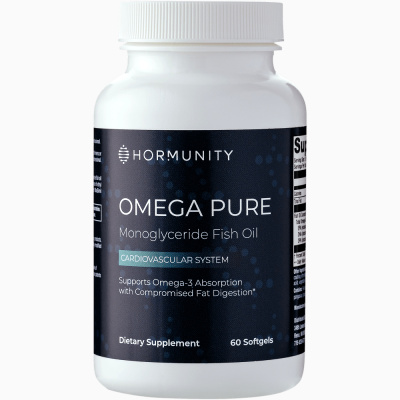
EPA and DHA omega-3s are found in fish such as sardines and salmon. The body uses these fats to make molecules involved in resolving inflammation.
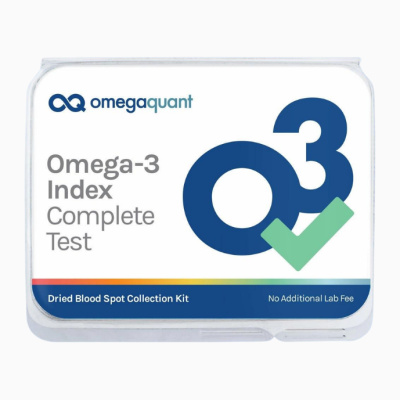
An omega-3 fatty-acid test can measure your EPA and DHA levels and help guide a personalized plan: whether to focus on omega-3-rich foods or add a supplement, and what dose and form may be appropriate.
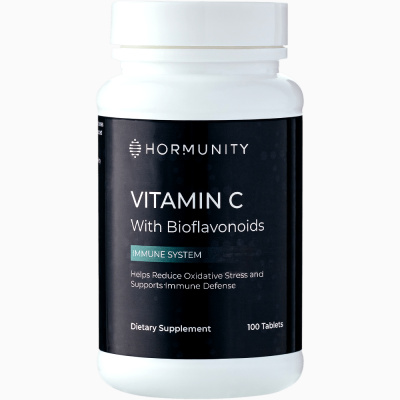
Vitamin C supports antioxidant defenses and normal immune function. Bell peppers, strawberries, kiwi, and citrus are food sources. High blood glucose also affects how vitamin C enters cells.
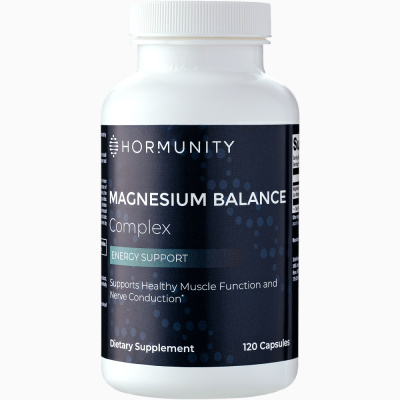
Magnesium supports energy production and hundreds of other processes in the body, including pathways that use tryptophan. Yet about 48% of Americans consume less magnesium from food and beverages than their estimated average requirement. For many people, supplementation is needed to help meet the body’s needs.
Curcumin and quercetin are plant compounds that affect inflammatory signaling. Curcumin has been studied for anxiety and depressive symptoms. Quercetin is also studied for its effects on inflammatory pathways.
Saffron, acetyl-L-carnitine, and creatine have been studied in relation to mood, particularly depressive symptoms.
For two weeks, note meals, sleep, stress, digestive symptoms, and the moments when irritability spikes. Look for repeated patterns rather than judging yourself after one difficult day.
Build meals around foods you tolerate, include nutrient-dense sources of omega-3 fats, and address sleep and stress alongside nutrition.
Understanding what may be affecting your mood can help you move from guilt to useful questions—and make a practical plan to feel steadier with your family.

No single formula prevents breast cancer, but some risk factors are within reach: estrogen metabolism, liver and gut function, hormone prescriptions, everyday chemicals, food and alcohol.

Burning cheeks and a face that reacts to everything? Some of rosacea’s inflammation may start in the gut, with low stomach acid and a leaky intestinal lining.

Hyperpigmentation is one of the most misunderstood skin problems because most people still believe it starts with the sun. That’s also why so many women spend years on expensive skincare, chemical peels, lasers, and brightening products, only to watch pigmentation come back months later. The truth is that dark spots often start much deeper than…

A CBC — complete blood count — is one of the most basic and affordable blood tests. In many places, the actual cash price can be around $7, even though insurance may be billed $60 or more for the same basic test. Many people underestimate the CBC because it looks simple. They see that everything is “within range”…
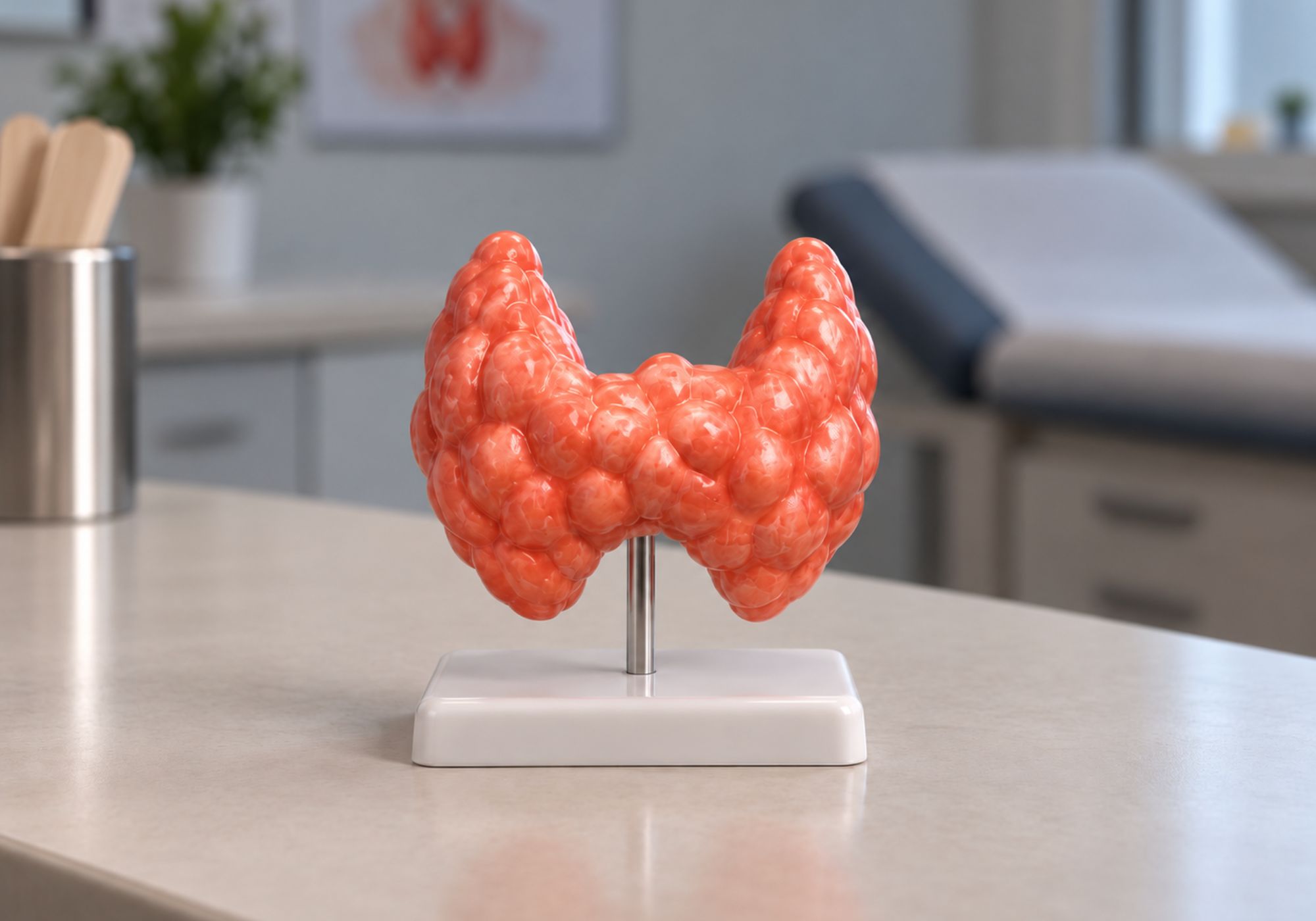
Parathyroid hormone keeps blood calcium in a narrow range. What a high or low PTH result may mean, and why it has to be read alongside calcium, vitamin D and other markers.

Vitamin A is best known for supporting vision, but it is also one of the most important nutrients for liver health. The liver is both the main storage site and a key beneficiary of vitamin A, using it to support bile production, antioxidant defense, and tissue regeneration. How Vitamin A Supports the Liver 1. Bile…

Today, more and more people are turning to tools like ChatGPT and asking a simple question:“What blood tests should I do to check my health?” The problem is – most answers are based on standard medical protocols. These protocols are designed to detect disease, not to identify early imbalances. As a result, many important markers…

Nitric oxide (NO) is a tiny gas molecule with a big impact on your health. Produced naturally by your body, it acts as a cellular messenger, telling blood vessels when to relax and widen — a process called vasodilation. This improved circulation supports everything from brain function to muscle performance to sexual health. Unfortunately, nitric…
At Hormunity, we combine cutting-edge science with a personalized approach.
Your cart is empty
Fill your cart with amazing items.
Start typing to search.
Pick a date to see times.
Enter the details of the individual who will take the test.