Back to Articles

Vitamin A and Liver Health: The Essential Connection

Vitamin A and Liver Health: The Essential Connection

Vitamin A is best known for supporting vision, but it is also one of the most important nutrients for liver health. The liver is both the main storage site and a key beneficiary of vitamin A, using it to support bile production, antioxidant defense, and tissue regeneration.

How Vitamin A Supports the Liver

1. Bile Production and Fat Metabolism

Vitamin A helps regulate bile synthesis. Bile not only aids in the digestion and absorption of dietary fats but also serves as a primary route for eliminating toxins from the body. Adequate vitamin A ensures that bile production remains steady and efficient, supporting both nutrient absorption and detoxification.

2. Antioxidant Defense

The liver is exposed daily to oxidative stress from environmental toxins, alcohol, certain medications, and normal metabolic processes. Vitamin A strengthens the liverโ€™s antioxidant defense systems, helping to neutralize free radicals and reduce oxidative damage to hepatocytes (liver cells).

3. Tissue Repair and Regeneration

The liverโ€™s remarkable ability to regenerate itself depends on an adequate supply of vitamin A. This nutrient supports the structural integrity of liver cells and helps repair tissues after injury or toxic exposure.

4. Detoxification Pathways

Both Phase I and Phase II liver detoxification processes require vitamins and antioxidants to function efficiently. Vitamin A supports the epithelial tissues that line the bile ducts, ensuring these detox pathways remain structurally sound.

The Beta-Carotene Conversion Challenge

Many people rely on plant sources of vitamin A in the form of beta-carotene. While the body can convert beta-carotene into the active form (retinol), this process varies widely between individuals. Genetic variations โ€” particularly in the BCMO1 gene โ€” can significantly reduce this conversion efficiency. Poor liver function, low zinc status, and certain health conditions can also impair the process, leaving the body short on usable vitamin A despite adequate intake of carotenoids.

Why Micellized Vitamin A Can Help

Preformed vitamin A (retinyl palmitate) is immediately bioactive and does not require conversion. In micellized form, retinyl palmitate is transformed into tiny water-dispersible droplets, allowing for rapid absorption even in individuals with poor fat digestion or low bile flow. This makes micellized vitamin A especially valuable for:

  • People with gallbladder removal or fat malabsorption
  • Those with limited beta-carotene conversion
  • Individuals recovering from liver stress or seeking targeted liver support

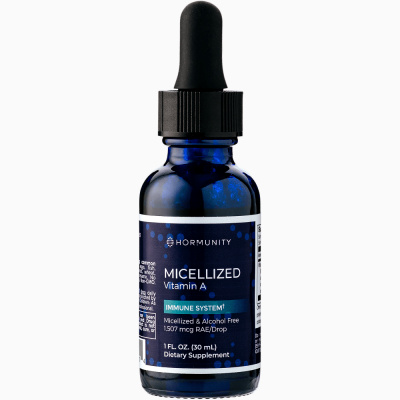
Micellized Vitamin A is that form: preformed retinyl palmitate, already water-dispersible, so it does not depend on beta-carotene conversion or on bile flow to be absorbed.

You can buy Vitamin A in our shop.

micellized-vitamin-a Supplement

Micellized Vitamin A

Preformed retinyl palmitate in a water-dispersible form, for the poor conversion and low bile flow discussed in this section.

$22.99 $32.99 30% off
View product

Vitamin A is a critical ally for the liver, supporting bile production, antioxidant protection, tissue regeneration, and detoxification pathways. For individuals with poor beta-carotene conversion or compromised fat digestion, a micellized, preformed form of vitamin A offers the most reliable way to ensure the liver receives the active nutrient it needs.

Similar

Similar posts

Why You Canโ€™t Lose Weight: The Hidden Role of Leptin Resistance, Thyroid Function, and Metabolism

Weight gain is often explained as eating too much and moving too little. But if that were the full story, many people who carefully track calories, exercise consistently, and even use GLP-1 medications would not continue struggling. One of the most overlooked reasons behind stubborn weight gain and difficulty losing weight is a hormone called leptinโ€ฆ.

My stomach? The rosaceaโ€™s on my face.

Burning cheeks and a face that reacts to everything? Some of rosaceaโ€™s inflammation may start in the gut, with low stomach acid and a leaky intestinal lining.

Why Is Cholesterol High? 5 Hidden Reasons

When people hear high cholesterol, the immediate assumption is often: I ate too much fat. I need to avoid eggs. I probably need medication. But cholesterol is one of the most misunderstood molecules in the body. Cholesterol is not simply something that builds up and causes problems. Your body uses cholesterol to produce estrogen, progesterone, testosterone, cortisol, vitaminโ€ฆ

The Silent Allergy Saboteurs: The Histamineโ€“Methylation Connection Behind Your Symptoms

Histamine intolerance is more than just โ€œseasonal allergies.โ€ Itโ€™s a chronic overload of histamine in the body โ€” a situation where the amount you take in and release is greater than your bodyโ€™s ability to break down and clear. Histamine: The Double-Edged Sword Histamine is a natural molecule involved in immune defense, stomach acid production,โ€ฆ

Magnesium and Mental Health: The Mineral of Calm, Clarity, and Energy

Magnesium is one of the most important minerals for the human body โ€” and the mind. It is present in every cell and is involved in hundreds of chemical processes that keep us alive and functioning. The brain, nervous system, muscles, and heart all rely on a steady supply of magnesium to work properly. Inโ€ฆ

The Circulation Secret: Why Nitric Oxide Is the Missing Link in Heart and Sexual Health

Nitric oxide (NO) is a tiny gas molecule with a big impact on your health. Produced naturally by your body, it acts as a cellular messenger, telling blood vessels when to relax and widen โ€” a process called vasodilation. This improved circulation supports everything from brain function to muscle performance to sexual health. Unfortunately, nitricโ€ฆ

5 Breast Cancer Risk Factors You Can Influence

No single formula prevents breast cancer, but some risk factors are within reach: estrogen metabolism, liver and gut function, hormone prescriptions, everyday chemicals, food and alcohol.

What Is Functional Medicine?

Functional medicine is a subset of integrative medicine: a science-based, personalized approach that looks at the whole person โ€” their genome, lifestyle and environment โ€” and treats the root cause rather than the symptom. This article covers where the field came from, what it looks like today, the three principles it rests on, and the clinical disorders it sets out to address.

Instagram

Latest insights & updates from our community

At Hormunity, we combine cutting-edge science with a personalized approach.

Hormunity
Cart

Your cart is empty

Fill your cart with amazing items.

Visit shop
Select date and time
—

Pick a date to see times.

Personal details

Enter the details of the individual who will take the test.

Phone number*

By continuing, you agree to our Terms & Conditions and Privacy Policy