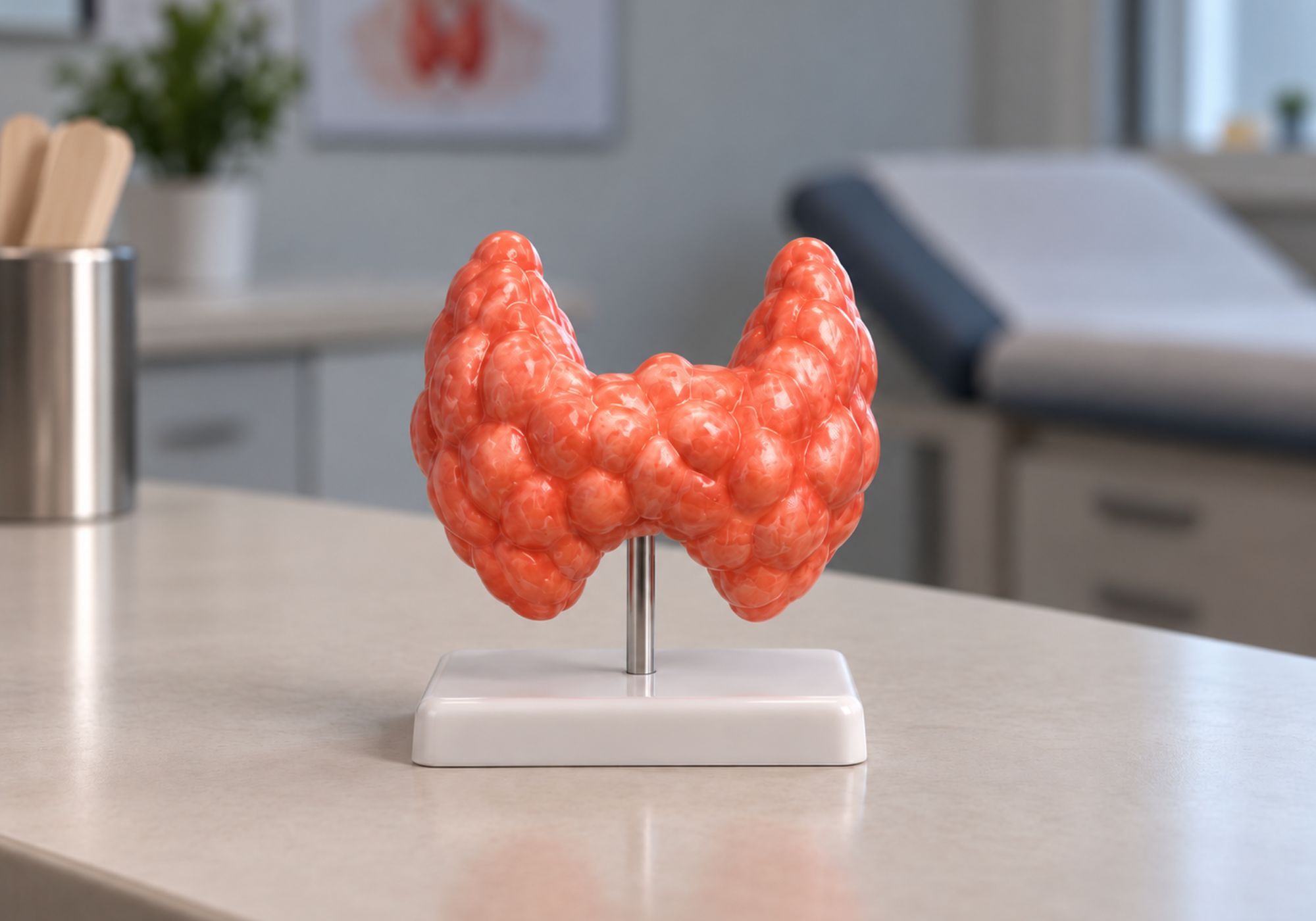
Parathormone, also called parathyroid hormone or PTH, is produced by four small glands located behind the thyroid. Its main job is to keep calcium in the blood within a narrow, steady range.
When blood calcium drops, these glands release more PTH to help bring it back up. As calcium rises, they release less. This ongoing adjustment supports functions we depend on every moment, including nerve communication, muscle movement, and a steady heartbeat.
When calcium becomes too low, nerves and muscles can become unusually excitable. A person may experience tingling, muscle tightness, cramps, or involuntary spasms. Fatigue and difficulty concentrating may also occur. These symptoms can have several causes, which is why PTH and calcium need to be evaluated together.
Check your PTH and calcium status through individual or panel testing.
Blood test
Panel test
Parathyroid Hormone + Calcium
2 biomarkers in this panel test.
Parathyroid Hormone + Calcium
$73.99
This test measures intact parathyroid hormone (PTH) and calcium. It is used to aid in the diagnosis of hypercalcemia and various renal and parathyroid diseases.
Laboratory
Labcorp
Sample type
PlasmaSerum
Avg. sample processing time
2 Business days
Require fasting
No
Biomarkers
CalciumMeasures the total calcium in your blood, important for bone health, muscle function, nerve signaling, and blood clotting.
Parathyroid Hormone (PTH), IntactA hormone that regulates calcium levels by acting on bone, kidneys, and the gut. Key marker for evaluating parathyroid, calcium, and bone disorders.
Severe calcium deficiency can interfere with breathing and heart rhythm, making it a medical emergency.
Parathyroid hormone also helps regulate the movement of calcium between the bloodstream and the bones. It encourages the kidneys to conserve calcium and activates vitamin D, which helps the intestine absorb calcium from food. But when the diet provides too little calcium, or vitamin D is insufficient, the body may rely more heavily on calcium stored in bone to maintain the blood level. Over time, persistently elevated PTH can contribute to bone loss. Blood calcium may remain normal even while the skeleton is losing mineral.
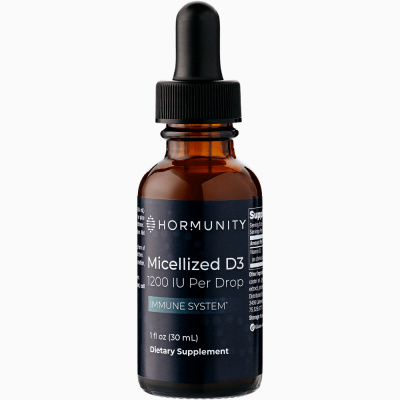
You can buy Vitamin D in our shop.
Supplement
Micellized D3 1200 IU
Delivers vitamin D3 in a water-soluble micellized form for absorption, as discussed in this section.
A low parathormone level does not always mean the body is missing something. Sometimes, it means the body is responding exactly as it should. When blood calcium rises, the parathyroid glands naturally release less PTH, helping calcium return toward its normal range.
A true deficiency develops when the glands cannot produce enough PTH to meet that need. Calcium drops, but the hormonal response needed to bring it back up is too weak. This condition is called hypoparathyroidism.
It can appear suddenly after thyroid or other neck surgery if the nearby parathyroid glands are accidentally removed or damaged. Surgery is the most common cause. Less often, autoimmune or genetic conditions affect the glands; very rarely, deficiency develops after radioactive iodine treatment.
Parathormone deficiency can be easy to miss when symptoms are mild. A person may notice muscles tightening or cramping or feel “pins and needles” around the lips, fingers, or toes. The hands, feet, legs, and face may also feel uncomfortable or twitch. These sensations can become stronger during stress, particularly if breathing becomes unusually fast.
Why Parathormone May Increase
Parathyroid hormone levels increase with age in most people but may decrease in patients after receiving correct hormone treatments.
As we grow older, declining levels of growth hormone, estrogen and testosterone, can contribute to the loss of bone density and calcium. When blood calcium levels fall, the parathyroid glands release more PTH. This hormone increases bone resorption, releasing calcium from the bones to maintain adequate levels in the bloodstream. Although this response helps preserve blood calcium, it can come at the expense of the skeleton and does not necessarily indicate optimal calcium metabolism. When deficiencies in sex hormones, growth hormone, and vitamin D are adequately corrected, PTH levels may gradually decrease rather than rise with age.
Calcium level
What elevated PTH may mean
Low or normal
The glands may be compensating for low vitamin D, insufficient calcium intake or absorption, or kidney disease. This is called secondary hyperparathyroidism.
High
A parathyroid gland may be producing too much hormone despite already having enough calcium. This suggests primary hyperparathyroidism, often caused by a noncancerous growth.
Why PTH and Calcium Levels Must Be Interpreted Together
To understand whether parathyroid hormone (PTH) is too high or too low, we need to measure it alongside calcium. Phosphorus and vitamin D help complete the picture. Calcium can be measured as total calcium, interpreted together with a blood protein called albumin, or as ionized calcium - the form immediately available for the body to use. Magnesium and kidney function tests can also help explain abnormal results. Vitamin D helps the body absorb calcium, while PTH helps regulate phosphorus through the kidneys. Checking these markers together helps us understand both the hormone level and the reason behind it.
Check your albumin status through individual or panel testing.
Blood test
Single test
Albumin
Individual Albumin test.
Albumin
$5.99
Albumin is the most abundant protein in the blood plasma, produced by the liver. It plays a critical role in maintaining oncotic pressure (fluid balance between blood vessels and tissues) and serves as a carrier protein for hormones, drugs, and other substances.
Laboratory
Labcorp
Sample type
Serum
Avg. sample processing time
2 Business days
Require fasting
No
Biomarkers
AlbuminThe main protein made by your liver, which helps balance fluids and carries hormones, vitamins, and medications through your blood. Low levels can point to liver, kidney, or nutrition issues.
Check your magnesium status through individual or panel testing.
Blood test
Single test
Magnesium, Red Blood Cell (RBC)
Individual Magnesium, Red Blood Cell (RBC) test.
Magnesium, Red Blood Cell (RBC)
$21.99
Magnesium, RBC (Red Blood Cell) measures the magnesium level inside red blood cells, providing a more accurate reflection of intracellular magnesium status than serum levels. Magnesium is essential for muscle function, nerve signaling, and energy production.
Laboratory
Labcorp
Sample type
Red Blood Cells
Avg. sample processing time
4 Business days
Require fasting
No
Biomarkers
Magnesium RBCMeasures magnesium stored inside red blood cells, considered a more accurate reflection of your body's magnesium status than a standard serum test.
Supporting Parathormone Through Nutrition and Lifestyle
Adequate nutrition and regular physical activity support calcium balance and bone health. This includes getting enough protein, calcium, and vitamin D while avoiding malnutrition and a sedentary lifestyle.
Area
What to include
What to avoid
Protein
Protein-rich foods, including meat, poultry, fish, and eggs.
Eating too little protein or too little food overall.
Calcium
Calcium-rich fish and seafood.
Inadequate calcium intake.
Vitamin D
Cod liver oil, eggs, and fatty fish such as salmon, mackerel, tuna, sardines, and herring.
-
Foods and drinks
Meals that provide adequate protein, calcium, and vitamin D.
Calcium supplements when needed. Vitamin D supplementation: 2,000–4,000 IU daily
-
Sun exposure
Sunlight helps the skin produce vitamin D.
-
Physical activity
Weight-bearing activity, such as walking and light jogging when appropriate.
A sedentary lifestyle.
What Should You Do?
Start by checking PTH and calcium together, alongside vitamin D, magnesium, and kidney function. The right approach depends on why the result is abnormal.
If PTH is high: Check for vitamin D deficiency, inadequate calcium intake or absorption, and kidney problems. Correcting the underlying cause may bring PTH down. If calcium is also high, an endocrinologist should evaluate for overactive parathyroid glands, which may require treatment beyond supplements.
If PTH is low: Low PTH with high calcium may be an appropriate hormonal response, but the high calcium still needs investigation. Low PTH together with low calcium suggests hypoparathyroidism. Treatment may include calcium, prescription active vitamin D, correction of magnesium deficiency, and, in selected cases, PTH replacement.
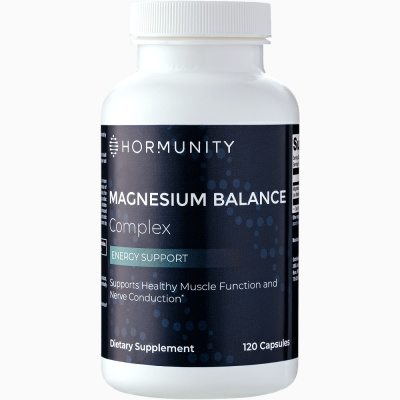
You can buy Magnesium in our shop.
Supplement
Magnesium Balance Complex
Combines magnesium glycinate and malate, two chelated forms formulated for absorption, as discussed in this section.
Bilezikian, J. P., Khan, A. A., Silverberg, S. J., El-Hajj Fuleihan, G., Marcocci, C., Minisola, S., Perrier, N., Sitges-Serra, A., Thakker, R. V., Guyatt, G., Mannstadt, M., Potts, J. T., Clarke, B. L., Brandi, M. L., & the International Workshop on Primary Hyperparathyroidism. (2022). Evaluation and management of primary hyperparathyroidism: Summary statement and guidelines from the Fifth International Workshop. Journal of Bone and Mineral Research, 37(11), 2293–2314. https://doi.org/10.1002/jbmr.4677
Bollerslev, J., Buch, O., Cardoso, L. M., Gittoes, N., Houillier, P., van Hulsteijn, L., Makay, O., Marcocci, C., Pallais, J. C., Pilz, S., Rejnmark, L., Yavropoulou, M., & Dekkers, O. M. (2025). Revised European Society of Endocrinology clinical practice guideline: Treatment of chronic hypoparathyroidism in adults. European Journal of Endocrinology, 193(5), G83–G112. https://doi.org/10.1093/ejendo/lvaf222
Cappola, A. R., Auchus, R. J., El-Hajj Fuleihan, G., Handelsman, D. J., Kalyani, R. R., McClung, M., Stuenkel, C. A., Thorner, M. O., & Verbalis, J. G. (2023). Hormones and aging: An Endocrine Society scientific statement. The Journal of Clinical Endocrinology & Metabolism, 108(8), 1835–1874. https://doi.org/10.1210/clinem/dgad225
Khosla, S., Atkinson, E. J., Melton, L. J., III, & Riggs, B. L. (1997). Effects of age and estrogen status on serum parathyroid hormone levels and biochemical markers of bone turnover in women: A population-based study. The Journal of Clinical Endocrinology & Metabolism, 82(5), 1522–1527. https://doi.org/10.1210/jcem.82.5.3946
Björkman, M. P., Sorva, A. J., Risteli, J., & Tilvis, R. S. (2009). Low parathyroid hormone levels in bedridden geriatric patients with vitamin D deficiency. Journal of the American Geriatrics Society, 57(6), 1045–1050. https://doi.org/10.1111/j.1532-5415.2009.02257.x
Chan, E. L. P., Lau, E., Shek, C. C., MacDonald, D., Woo, J., Leung, P. C., & Swaminathan, R. (1992). Age-related changes in bone density, serum parathyroid hormone, calcium absorption and other indices of bone metabolism in Chinese women. Clinical Endocrinology, 36(4), 375–381. https://doi.org/10.1111/j.1365-2265.1992.tb01463.x
Endres, D. B., Morgan, C. H., Garry, P. J., & Omdahl, J. L. (1987). Age-related changes in serum immunoreactive parathyroid hormone and its biological action in healthy men and women. The Journal of Clinical Endocrinology & Metabolism, 65(4), 724–731. https://doi.org/10.1210/jcem-65-4-724
Marcus, R., Madvig, P., & Young, G. (1984). Age-related changes in parathyroid hormone and parathyroid hormone action in normal humans. The Journal of Clinical Endocrinology & Metabolism, 58(2), 223–230. https://doi.org/10.1210/jcem-58-2-223
McKane, W. R., Khosla, S., Egan, K. S., Robins, S. P., Burritt, M. F., & Riggs, B. L. (1996). Role of calcium intake in modulating age-related increases in parathyroid function and bone resorption. The Journal of Clinical Endocrinology & Metabolism, 81(5), 1699–1703. https://doi.org/10.1210/jc.81.5.1699
Mehrotra, R., Supasyndh, O., Berman, N., Kaysen, G., Hurst, L., Leonardi, M., Das, D., & Kopple, J. D. (2004). Age-related decline in serum parathyroid hormone in maintenance hemodialysis patients is independent of inflammation and dietary nutrient intake. Journal of Renal Nutrition, 14(3), 134–142. https://doi.org/10.1053/j.jrn.2004.05.001
Vieth, R., Ladak, Y., & Walfish, P. G. (2003). Age-related changes in the 25-hydroxyvitamin D versus parathyroid hormone relationship suggest a different reason why older adults require more vitamin D. The Journal of Clinical Endocrinology & Metabolism, 88(1), 185–191. https://doi.org/10.1210/jc.2002-021064
Parkinson’s Disease: Protecting Your Brain with Detox & Antioxidants
Parkinson’s disease is a condition where certain brain cells slowly stop working, especially the ones that make dopamine — a chemical that helps control movement, mood, and motivation. As dopamine drops, people may notice tremors, stiffness, slower movements, balance issues, and changes in voice or facial expression. Over time, memory and thinking can also be…
The Silent Allergy Saboteurs: The Histamine–Methylation Connection Behind Your Symptoms
Histamine intolerance is more than just “seasonal allergies.” It’s a chronic overload of histamine in the body — a situation where the amount you take in and release is greater than your body’s ability to break down and clear. Histamine: The Double-Edged Sword Histamine is a natural molecule involved in immune defense, stomach acid production,…
The Circulation Secret: Why Nitric Oxide Is the Missing Link in Heart and Sexual Health
Nitric oxide (NO) is a tiny gas molecule with a big impact on your health. Produced naturally by your body, it acts as a cellular messenger, telling blood vessels when to relax and widen — a process called vasodilation. This improved circulation supports everything from brain function to muscle performance to sexual health. Unfortunately, nitric…
No single formula prevents breast cancer, but some risk factors are within reach: estrogen metabolism, liver and gut function, hormone prescriptions, everyday chemicals, food and alcohol.
Burning cheeks and a face that reacts to everything? Some of rosacea’s inflammation may start in the gut, with low stomach acid and a leaky intestinal lining.
Recurrent UTIs and Bladder Infections: The Hormonal Connection Every Woman Should Know
Recurrent bladder infections affect millions of women and are one of the most common reasons for repeated antibiotic use. While bacteria are responsible for causing urinary tract infections, the question often remains: why do some women continue to develop infection after infection while others rarely experience one? The answer may lie in the body’s own…
The $11 Lab Marker That May Tell You More About Your Brain Than You Think
Most people have never heard of the anion gap, yet it can be calculated from a simple Comprehensive Metabolic Panel (CMP) that costs $11. No special testing is required. If you already have sodium, potassium, chloride, and CO₂ (bicarbonate) on your lab report, you can calculate your anion gap and gain valuable insight into your…
Why Hyperpigmentation Happens Even Without Sun Exposure
Hyperpigmentation is one of the most misunderstood skin problems because most people still believe it starts with the sun. That’s also why so many women spend years on expensive skincare, chemical peels, lasers, and brightening products, only to watch pigmentation come back months later. The truth is that dark spots often start much deeper than…
Read more
Instagram
Latest insights & updates from our community
At Hormunity, we combine cutting-edge science with a personalized approach.