
Parathyroid Hormone (PTH): What High and Low Levels Mean
Parathyroid hormone keeps blood calcium in a narrow range. What a high or low PTH result may mean, and why it has to be read alongside calcium, vitamin D and other markers.
Mitochondria are small structures inside most of your body’s cells. They help convert energy from food into a form cells can use, and they also participate in processes that help cells adapt and maintain normal function.
When we eat, we take in potential energy. The body breaks food down and processes its nutrients through metabolism, making fuel available to cells. That is one reason food quality matters: the food we eat supplies the materials our bodies use to produce energy. The way a food is made and what it contains can also shape how the body processes it.
Mitochondria are not isolated energy makers. They form a dynamic network inside cells, helping transform nutrients into usable energy and signaling how that energy is being used. Through these signals, mitochondria communicate with other parts of the cell and help coordinate the body’s response to changing demands.
Ultra-processed foods combine sugars, modified carbohydrates, and additives in ways that may make them highly appealing in the moment. One concern is that a food can be designed to deliver an immediate sensory reward without necessarily supporting steady energy needs over time.
The immune system needs energy to respond to infection, injury, and other challenges. When immune cells become active, they adjust how they use nutrients to support their work. At the same time, metabolic conditions—including insulin resistance and chronic inflammation—can influence how immune cells behave. The relationship goes in both directions and depends on the situation.
This connection helps explain why a group of findings may be more informative than a single test. For example, changes in blood sugar, triglycerides, liver enzymes, or inflammatory markers can suggest that several systems deserve attention.
The body is designed to use nutrients for immediate needs and store some for later. Problems can arise when energy intake, storage, and use are persistently out of balance. Insulin helps move glucose from the blood into cells and helps regulate storage. When cells become less responsive to insulin, the pancreas may release more insulin to help manage blood glucose. Over time, glucose can rise, and blood lipid patterns may change.
This can create a seeming contradiction: the body may have plenty of fuel available, yet some cells may not handle or use that fuel efficiently. Having energy stored in the body is not the same as having every cell produce and use energy smoothly.
Several common tests help assess how the body is handling glucose and lipids:
Insulin resistance can occur alongside higher blood glucose, high triglycerides, and low HDL. These results are considered together with other risk factors and a person’s medical history; a triglyceride-to-HDL ratio or fasting insulin value alone cannot diagnose the full picture.
A normal A1C does not necessarily answer every question about glucose regulation. But it also does not mean that another isolated result automatically signals disease. Clinicians interpret the full pattern, repeat or add tests when appropriate, and consider factors such as age, medications, recent illness, and family history.
Stress is not only a feeling. It also involves coordinated changes across the brain and body. The hypothalamic-pituitary-adrenal, or HPA, axis helps regulate this response, including the release of hormones such as cortisol.
Animal studies suggest that changing mitochondrial function can alter how the HPA axis responds to a stressor. In one study, different mitochondrial changes produced different stress-hormone responses. This is evidence that mitochondria can influence the body’s response to stress in animals.
One molecule of interest is GDF15, a signaling protein that can rise when cells or tissues are under stress. GDF15 can act on receptors in the brain and influence appetite and energy balance.
This research raises an intriguing possibility: signals from stressed tissues may help the brain adjust behavior and physiology. For example, some signals may affect appetite or contribute to changes in activity.
The broader idea is that mitochondria take part in the body’s response to challenges. They do not work alone: the brain, hormones, immune system, and other tissues all contribute.
Pregnancy is an energetically demanding process. The mother’s body is growing and supporting the placenta and fetus while adapting its own metabolism, circulation, hormone production, and immune activity. Mitochondria are part of this adaptation: they help cells turn nutrients and oxygen into ATP, the usable energy that powers cellular work.
The placenta has its own substantial energy needs. It develops rapidly, produces hormones, transports nutrients and oxygen, and helps regulate communication between mother and fetus. Its mitochondria support these functions. As pregnancy progresses, placental energy metabolism adapts to the changing needs of fetal growth.
Mitochondria also carry a small amount of DNA, called mitochondrial DNA (mtDNA). The egg provides the embryo’s mitochondria, so mtDNA is generally inherited from the mother. This is why pregnancy is not simply about “eating for two.” The body needs adequate energy and the nutrients that support metabolism, placental development, and fetal growth. The quality and consistency of nourishment matter.
Mitochondria respond to the conditions inside the body: the nutrients available, oxygen delivery, physical activity, sleep, hormone signals, and the cell’s changing energy needs. Supporting mitochondrial energy production means supporting several connected steps—not just one molecule or pathway.
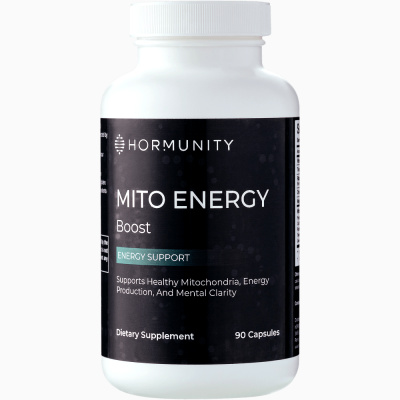
Mito Energy Boost™ brings together ingredients that participate in this process. NADH carries electrons into the mitochondrial energy pathway, and CoQ10 helps transfer electrons through the respiratory chain. Phospholipids are structural components of mitochondrial membranes, where much of this energy conversion takes place. PQQ contributes redox activity and is being studied for its role in mitochondrial signaling. Together, these ingredients provide targeted nutritional support for the systems cells use to turn fuel into usable energy.
Mito Energy Boost fits into a broader approach to cellular energy that includes nourishing food, regular movement, restorative sleep, and attention to the demands your body is managing. If fatigue, weakness, or reduced exercise tolerance persists, a clinician can help explore possible contributing factors such as sleep problems, anemia, thyroid conditions, medication effects, or heart and lung concerns.
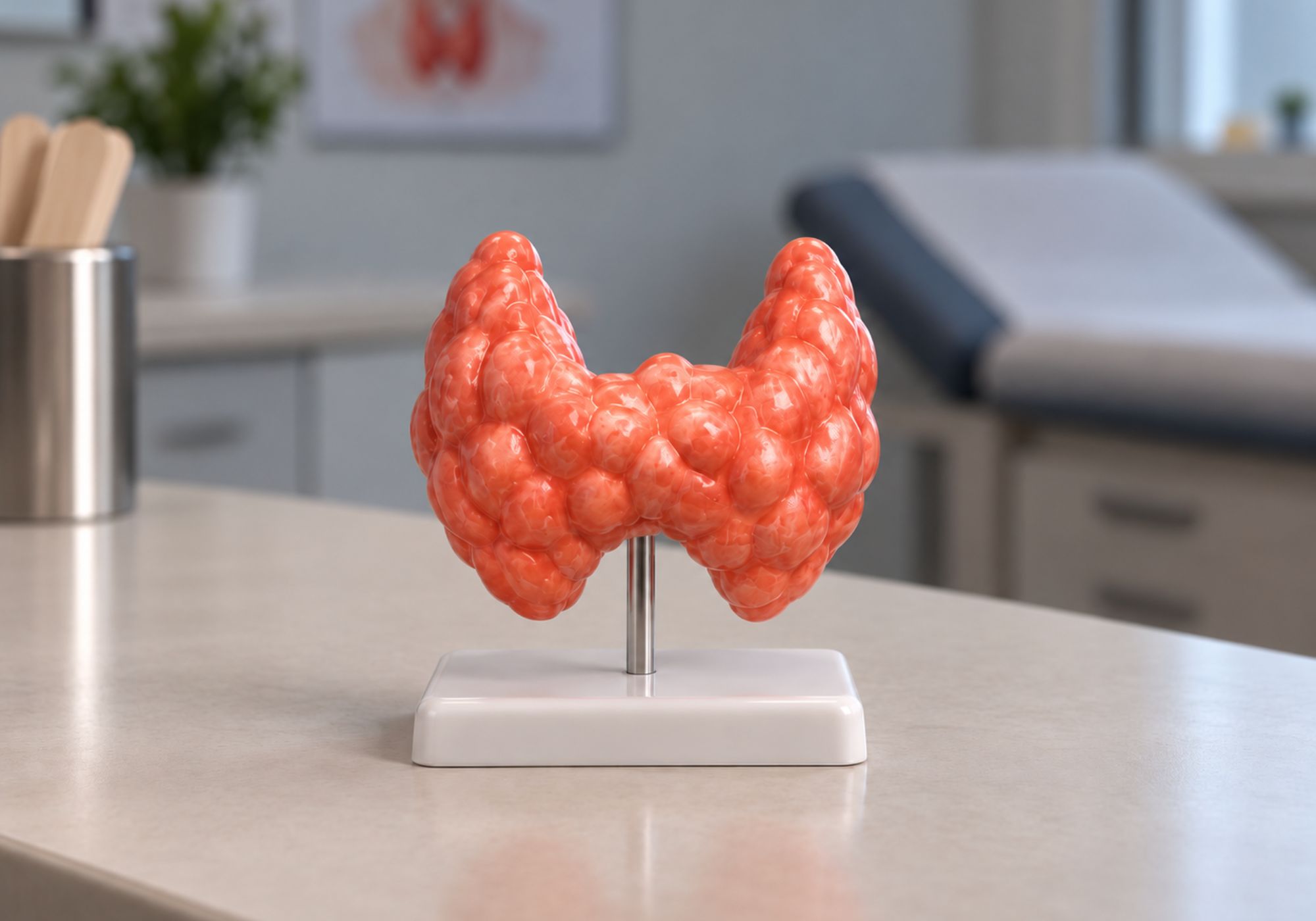
Parathyroid hormone keeps blood calcium in a narrow range. What a high or low PTH result may mean, and why it has to be read alongside calcium, vitamin D and other markers.

Weight gain is often explained as eating too much and moving too little. But if that were the full story, many people who carefully track calories, exercise consistently, and even use GLP-1 medications would not continue struggling. One of the most overlooked reasons behind stubborn weight gain and difficulty losing weight is a hormone called leptin….

Recurrent bladder infections affect millions of women and are one of the most common reasons for repeated antibiotic use. While bacteria are responsible for causing urinary tract infections, the question often remains: why do some women continue to develop infection after infection while others rarely experience one? The answer may lie in the body’s own…

Vitamin A is best known for supporting vision, but it is also one of the most important nutrients for liver health. The liver is both the main storage site and a key beneficiary of vitamin A, using it to support bile production, antioxidant defense, and tissue regeneration. How Vitamin A Supports the Liver 1. Bile…

Most people know vitamins are important — but few realize that minerals are the “spark plugs” of your cells. They activate the enzymes that drive nearly every process in your body, from hormone production to detoxification to energy creation. Without enough minerals, even the healthiest diet and lifestyle can fall short, leaving you feeling fatigued,…

When people hear high cholesterol, the immediate assumption is often: I ate too much fat. I need to avoid eggs. I probably need medication. But cholesterol is one of the most misunderstood molecules in the body. Cholesterol is not simply something that builds up and causes problems. Your body uses cholesterol to produce estrogen, progesterone, testosterone, cortisol, vitamin…

Nitric oxide (NO) is a tiny gas molecule with a big impact on your health. Produced naturally by your body, it acts as a cellular messenger, telling blood vessels when to relax and widen — a process called vasodilation. This improved circulation supports everything from brain function to muscle performance to sexual health. Unfortunately, nitric…

Magnesium is one of the most important minerals for the human body — and the mind. It is present in every cell and is involved in hundreds of chemical processes that keep us alive and functioning. The brain, nervous system, muscles, and heart all rely on a steady supply of magnesium to work properly. In…
At Hormunity, we combine cutting-edge science with a personalized approach.

Your cart is empty
Fill your cart with amazing items.
Pick a date to see times.
Enter the details of the individual who will take the test.