Magnesium is one of the most important minerals for the human body — and the mind. It is present in every cell and is involved in hundreds of chemical processes that keep us alive and functioning. The brain, nervous system, muscles, and heart all rely on a steady supply of magnesium to work properly.
Why most people run low
In today’s world, most people simply don’t get enough. Modern farming has depleted the soil of minerals, processed foods strip away nutrients, and daily stress burns through magnesium reserves faster than they can be replaced. Even with a balanced diet, the demands on the body often exceed intake.
When magnesium drops, the nervous system becomes overactive, muscles tense, sleep is disrupted, and mood becomes harder to stabilize. This is why magnesium deficiency so often shows itself in both body and mind.
How Magnesium Supports the Brain
A natural calming mineral
Magnesium is a natural calming mineral. It helps regulate the electrical activity of nerve cells, preventing them from becoming overstimulated. When neurons are firing too quickly, feelings of anxiety, irritability, and restlessness can appear. Magnesium works like a brake pedal for the nervous system, allowing the mind to settle.
Serotonin and dopamine
It also supports the production of key brain chemicals such as serotonin and dopamine, which are involved in mood, motivation, and emotional balance. Without enough magnesium, these systems work less efficiently, and emotional ups and downs can become more intense.
Adapting to stress
Magnesium helps the brain adapt to stress. It influences how we respond to challenges, supports clear thinking under pressure, and aids in returning the body to a relaxed state afterward. It is also involved in the formation and maintenance of healthy neural connections — the pathways that allow learning, memory, and mental flexibility.
Signs Your Mind May Need More Magnesium
When magnesium levels are too low, the body and brain will often send signals. These can include:
- Difficulty relaxing or feeling constantly “on edge”
- Trouble falling asleep or waking during the night
- Brain fog and poor focus
- Mood swings or low motivation
- Tension headaches or muscle tightness
- Frequent eye twitches or restless legs
Choosing the Right Magnesium for Mental Well-being
Not all magnesium forms are the same. The type of magnesium you take determines how well it’s absorbed and where it works best in the body.
- Magnesium Glycinate – A gentle, well-absorbed form bound to the amino acid glycine. Known for its calming properties, it is ideal for those dealing with stress, anxiety, or difficulty sleeping.
- Magnesium Malate – A form bound to malic acid, which plays a role in the body’s natural energy cycle. It not only supports brain function but also helps with physical and mental stamina, making it an excellent choice for those who experience fatigue alongside stress.
- Magnesium Threonate – Capable of crossing into the brain and directly supporting cognitive functions such as memory and learning.
- Magnesium Citrate – Easily absorbed and also supports gentle digestive regularity.
- Magnesium Oxide – Contains a lot of magnesium by weight but is poorly absorbed and more likely to cause digestive upset, making it less effective for mental health goals.
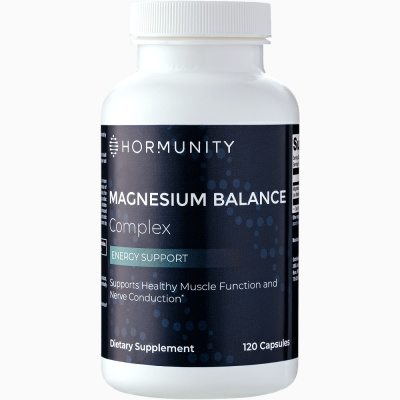
For mental and emotional support, a magnesium complex combining glycinate for nervous system calm and malate for steady cellular energy offers the most balanced approach.
You can buy Magnesium in our shop.
Magnesium Balance Complex
Combines glycinate for nervous-system calm with malate for steady cellular energy, as discussed in this section.
$42.99