Hyperpigmentation is one of the most misunderstood skin concerns because most people believe it begins and ends with sun exposure. That misconception is why countless women spend years using brightening serums, hydroquinone, chemical peels, lasers, and expensive skincare—only to see the pigmentation gradually return. While ultraviolet (UV) radiation is certainly a trigger, it is often not the root cause.
Lasting improvement requires understanding why the body continues signaling melanocytes to produce excess pigment in the first place.
Melanin, the pigment responsible for skin color, is produced by specialized skin cells called melanocytes. These cells are constantly responding to biochemical signals throughout the body. Hormones, inflammatory cytokines, oxidative stress, nutrient status, liver function, thyroid hormones, insulin sensitivity, and detoxification pathways all influence melanocyte activity.
This explains why pigmentation frequently appears during pregnancy, menopause, thyroid dysfunction, chronic stress, insulin resistance, or after inflammatory skin conditions—even in people who carefully avoid excessive sunlight.
The skin often reflects what is happening internally.
One of the most overlooked contributors is oxidative stress
Every cell naturally produces free radicals from oxidative stress during metabolism. Under healthy conditions, the body's antioxidant systems neutralize these molecules before they cause damage. However, chronic inflammation, poor diet, environmental toxins, smoking, emotional stress, infections, excessive UV exposure, and metabolic dysfunction all increase oxidative stress beyond what the body can effectively manage.
Oxidative stress activates multiple signaling pathways involved in melanin production, including tyrosinase activity, the rate-limiting enzyme responsible for producing melanin. As oxidative stress increases, melanocytes receive stronger signals to produce pigment—even long after the original trigger has disappeared.
This is one reason pigmentation often becomes stubborn and recurrent.
Another major contributor is chronic inflammation
Whether inflammation originates from acne, eczema, rosacea, hormonal imbalance, gut dysfunction, obesity, or environmental toxins, inflammatory mediators stimulate melanocytes and increase melanin production. This process is known as post-inflammatory hyperpigmentation (PIH), but even individuals without obvious skin inflammation may experience low-grade systemic inflammation that continuously influences pigment formation.
The liver also plays a far greater role than many people realize
Every day the liver filters hormones, medications, environmental chemicals, metabolic waste, inflammatory compounds, and fat-soluble toxins. Efficient liver function helps maintain hormonal balance while reducing the overall inflammatory burden on the body.
When detoxification pathways become overwhelmed, inflammatory compounds and hormone metabolites may remain in circulation longer than intended, increasing oxidative stress throughout the body. Although the liver is not the direct cause of hyperpigmentation, supporting normal detoxification processes may help reduce internal factors that contribute to pigment formation.
The gut is another essential piece of the puzzle
After the liver processes toxins and hormone metabolites, they must be eliminated through the digestive tract. If the intestinal barrier is compromised or the microbiome becomes imbalanced, some compounds may be reabsorbed instead of excreted. This process increases the body's inflammatory burden and further contributes to oxidative stress.
A healthy gut supports healthy skin by improving nutrient absorption, regulating immune activity, and promoting proper elimination.
Bile is equally important
Most people associate bile only with fat digestion, but bile also serves as a primary elimination route for cholesterol, hormone metabolites, bilirubin, and many fat-soluble compounds. Healthy bile flow allows these compounds to leave the body efficiently.
When bile becomes sluggish, elimination may become less efficient, allowing inflammatory metabolites to persist longer. Supporting healthy bile production and flow helps maintain one of the body's major detoxification pathways.
Hormonal balance is another major influence
Melasma—the most common form of facial hyperpigmentation—is strongly associated with estrogen and progesterone fluctuations. Pregnancy, oral contraceptives, menopause, and hormone replacement therapy can all increase melanocyte activity. The body must efficiently metabolize and eliminate hormone metabolites through the liver and bile. When these detoxification pathways become sluggish or overwhelmed, hormone metabolites may remain in circulation longer than intended, potentially contributing to ongoing inflammatory signaling and melanocyte stimulation.
Vitamin D deficiency is another frequently overlooked contributor
Although sunlight stimulates vitamin D production, many individuals intentionally avoid sun exposure because of pigmentation concerns. Unfortunately, chronically low vitamin D levels in the cell can impair immune regulation, increase inflammation, and reduce antioxidant defenses, creating an internal environment that favors ongoing pigment formation.
One nutrient consistently supported by research for healthy pigmentation is vitamin C
Vitamin C is far more than a collagen nutrient. It is one of the body's most powerful water-soluble antioxidants, protecting skin cells from oxidative damage while helping regenerate other antioxidants. Vitamin C also inhibits tyrosinase activity, helping regulate melanin production while supporting collagen synthesis and healthy wound healing.
This is one reason vitamin C has become one of the most popular ingredients in brightening facial serums. Topical vitamin C can help improve skin tone by acting directly on the skin's surface. However, taking vitamin C internally provides antioxidant support throughout the entire body, helping reduce systemic oxidative stress that stimulates melanocytes from within. Supporting both the inside and the outside may offer a more comprehensive approach to achieving healthier, more even-toned skin.
Glutathione is another powerful nutrient for supporting healthy pigmentation
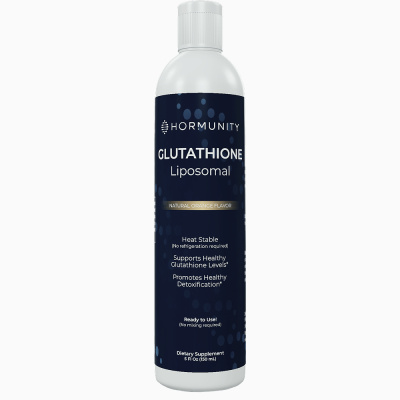
Often called the body's "master antioxidant," glutathione helps protect cells from oxidative stress while supporting the liver's natural detoxification pathways. Like vitamin C, glutathione has become a popular ingredient in skin-brightening creams because of its ability to promote a more even complexion. However, topical products work only at the surface of the skin. Taking glutathione internally supports the entire body by reducing oxidative stress, promoting healthy detoxification, and helping regulate melanin production from within. Addressing the internal environment may provide longer-lasting support for healthy, even-toned skin than relying on topical products alone. This is why improving pigmentation often requires supporting multiple systems simultaneously rather than focusing only on the skin.
Product Rationale & Why Each Supplement Is Included
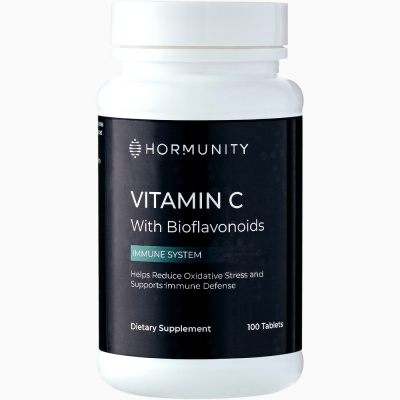
Vitamin C provides powerful antioxidant protection while supporting collagen synthesis and helping regulate tyrosinase activity, one of the primary enzymes involved in melanin production. It also regenerates oxidized antioxidants throughout the body, helping reduce oxidative stress that stimulates excess pigmentation.
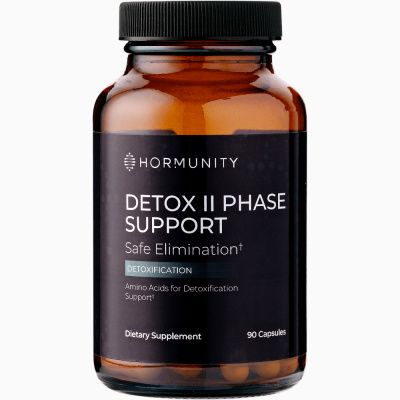
Healthy detoxification occurs in two coordinated phases inside the liver. Phase II conjugation helps transform hormone metabolites, environmental toxins, and metabolic waste into forms that can be safely eliminated. Detox II Phase Support™ provides nutrients that support these natural biochemical pathways, helping maintain healthy detoxification capacity and reduce internal inflammatory burden.
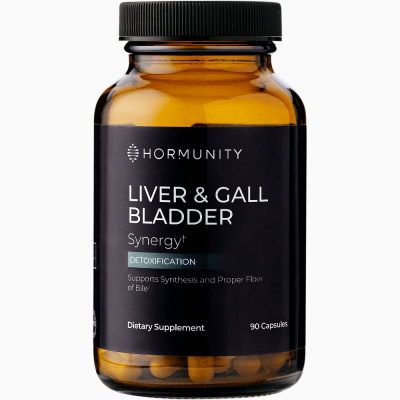
This comprehensive formula supports healthy liver function and normal bile production using ingredients such as milk thistle, taurine, ox bile, and artichoke extract. Healthy bile flow supports fat digestion while assisting the elimination of hormone metabolites and fat-soluble compounds. Supporting liver and gallbladder physiology helps maintain efficient detoxification and reduce systemic inflammatory burden.
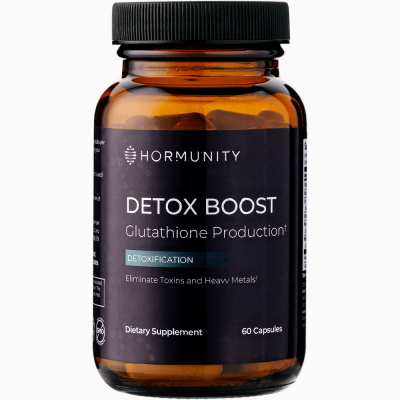
Detox Boost™ provides additional nutritional support for the body's natural detoxification systems while promoting antioxidant defenses and cellular resilience. It complements Phase II detoxification by helping maintain efficient elimination pathways during periods of increased oxidative or environmental stress.
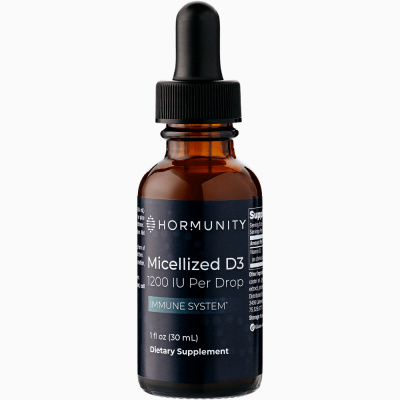
Vitamin D supports immune regulation, healthy inflammatory balance, skin barrier integrity, and overall cellular function. Adequate vitamin D status helps maintain a balanced immune response while reducing chronic inflammatory signaling that may contribute to persistent pigmentation.
Supports immune balance, healthy inflammatory responses, and overall skin health.
3-5 drops1 x daily
Conclusion
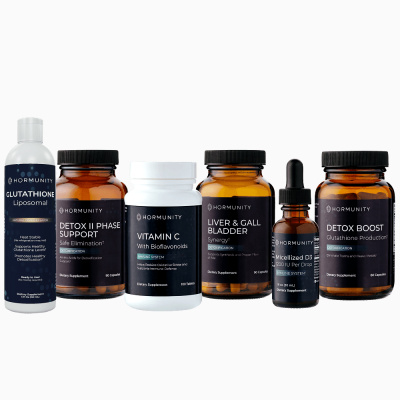
The Hormunity® Hyperpigmentation Protocol is designed to support the internal physiology that influences healthy skin tone rather than focusing only on the visible dark spots.
Hyperpigmentation is rarely caused by one factor alone. It is often the result of chronic oxidative stress, inflammation, hormonal fluctuations, impaired detoxification, altered bile flow, nutrient deficiencies, thyroid dysfunction, gut imbalance, and repeated environmental stressors acting together over time.
By supporting antioxidant defenses with Vitamin C™ and Glutathione Liposomal™, promoting healthy liver detoxification with Detox II Phase Support™, Liver & Gall Bladder Synergy™, and Detox Boost™, and maintaining adequate vitamin D status, this protocol helps create an internal environment that supports healthier pigment regulation.
For the best results, internal support should be combined with daily broad-spectrum SPF, a consistent skincare routine that protects the skin barrier, and targeted topical ingredients recommended by your skincare professional.
Because pigmentation is rarely only a skin problem.
Lasting improvement begins when you stop treating the spot alone and start supporting the physiology that allowed it to develop in the first place.
Caution
Consult your healthcare provider before use if pregnant, nursing, or taking medications.
These statements have not been evaluated by the FDA.
This product is not intended to diagnose, treat, cure, or prevent any disease.
Bibliography
Astuya, A., Caprile, T., Castro, M., Salazar, K., García, M. de L., Reinicke, K., Rodríguez, F., Vera, J. C., Millán, C., Ulloa, V., Low, M., Martínez, F., & Nualart, F. (2005). Vitamin C uptake and recycling among normal and tumor cells from the central nervous system. Journal of Neuroscience Research, 79(1–2), 146–156. https://doi.org/10.1002/jnr.20326
Calvino, C., Souza, L. L., Costa-e-Sousa, R. H., Almeida, N. A., Trevenzoli, I. H., & Pazos-Moura, C. C. (2012). Hypothyroidism reduces ObRb-STAT3 leptin signalling in the hypothalamus and pituitary of rats associated with resistance to leptin acute anorectic action. Journal of Endocrinology, 215(1), 129–135. https://doi.org/10.1530/JOE-11-0476
Tanaka, Y. T., Tanaka, K., Kojima, H., Hamada, T., Masutani, T., Tsuboi, M., & Akao, Y. (2013). Cynaropicrin from Cynara scolymus L. suppresses photoaging of skin by inhibiting the transcription activity of nuclear factor-kappa B. Bioorganic & Medicinal Chemistry Letters, 23(2), 518–523. https://doi.org/10.1016/j.bmcl.2012.11.034
Lin, J. Y., & Fisher, D. E. (2007). Melanocyte biology and skin pigmentation. Nature, 445(7130), 843–850. https://doi.org/10.1038/nature05660
Perello, M., Çakir, I., Cyr, N. E., Romero, A., Stuart, R. C., Chiappini, F., Hollenberg, A. N., & Nillni, E. A. (2010). Maintenance of the thyroid axis during diet-induced obesity in rodents is controlled at the central level. American Journal of Physiology-Endocrinology and Metabolism, 299(6). https://doi.org/10.1152/ajpendo.00448.2010
Calvino, C., Souza, L. L., Costa-e-Sousa, R. H., Almeida, N. A., Trevenzoli, I. H., & Pazos-Moura, C. C. (2012). Hypothyroidism reduces ObRb-STAT3 leptin signalling in the hypothalamus and pituitary of rats associated with resistance to leptin acute anorectic action. Journal of Endocrinology, 215(1), 129–135. https://doi.org/10.1530/JOE-11-0476
Obradovic, M., Sudar-Milovanovic, E., Soskic, S., Essack, M., Arya, S., Stewart, A. J., Gojobori, T., & Isenovic, E. R. (2021). Leptin and obesity: Role and clinical implication. Frontiers in Endocrinology, 12, 585887. https://doi.org/10.3389/fendo.2021.585887
El Amrousy, D., El-Afify, D., & Salah, S. (2022). Insulin resistance, leptin and adiponectin in lean and hypothyroid children and adolescents with obesity. BMC Pediatrics, 22(1), 245. https://doi.org/10.1186/s12887-022-03318-x
Lee, Y. I., Choi, S., Roh, W. S., Lee, J. H., & Kim, T. G. (2021). Cellular senescence and inflammaging in the skin microenvironment. International Journal of Molecular Sciences, 22(8), 3849. https://doi.org/10.3390/ijms22083849
Kim, J. C., Park, T. J., & Kang, H. Y. (2022). Skin-aging pigmentation: Who is the real enemy? Cells, 11(16), 2541. https://doi.org/10.3390/cells11162541
Ogland-Hand, C., Ciesielski, T. H., Daunov, K., Bean, M. K., & Nock, N. L. (2023). Food insecurity and nutritional challenges in adolescent and young adult cancer survivors in the U.S.A.: A narrative review and call to action. Nutrients, 15(7), 1731. https://doi.org/10.3390/nu15071731
Mahmood, A., Canham, S., Weldrick, R., Patille, R., & Erisman, M. (2023). Meanings of aging in the right place for housing insecure older adults in temporary housing. Innovation in Aging, 7(Supplement_1), 64–65. https://doi.org/10.1093/geroni/igad104.0207
Obradovic, M., Sudar-Milovanovic, E., Soskic, S., Essack, M., Arya, S., Stewart, A. J., Gojobori, T., & Isenovic, E. R. (2021). Leptin and obesity: Role and clinical implication. Frontiers in Endocrinology, 12, 585887. https://doi.org/10.3389/fendo.2021.585887
The HORMUNITY® Liver Detox Protocol is a professional-grade 3-phase system that helps your body detoxify naturally – supporting the liver, gallbladder, and cellular pathways responsible for cleansing and renewal.
This advanced program combines Glutathione Comp...
The HORMUNITY® Candida Protocol is a targeted, multi-phase system designed to rebalance yeast overgrowth, restore gut barrier integrity, and support immune function. This advanced formula combines antifungal botanicals, biofilm disruptors, probiotics, mucosal...
The HORMUNITY® Functional SIBO Protocol is a comprehensive, multi-mechanism system designed to rebalance the small intestine, support healthy digestion, and reduce bloating, gas, and discomfort. This targeted bundle combines antimicrobial botanicals, digestive...
For smoother digestion, better energy, and a clearer mind on a meat-focused diet.
The Hormunity® Carnivore Support Protocol is designed to help your body process higher amounts of protein and fat with ease. This targeted collection strengthens digestion at eve...