Back to Protocols

Hormunity® Functional SIBO Protocol

  • Women's Health
  • Digestive System
  • Immune
  • Metabolic Health
  • Men's Health

Symptoms and Signs Of SIBO (Small Intestinal Bacterial Overgrowth)

Condition in which there are excess bacteria in the small intestine.

  • Nausea
  • Feeling of fullness
  • Diarrhea
  • Fatigue
  • Abdominal pain
  • Bloating
  • Loss of appetite
  • Weight loss

Understanding Small Intestinal Bacterial Overgrowth

Small Intestinal Bacterial Overgrowth (SIBO) occurs when excessive bacteria migrate into the small intestine - an area that normally contains very few microbes compared to the colon. In a healthy gut, the stomach’s acidity, bile flow, pancreatic enzymes, and intestinal motility work together to prevent bacterial accumulation. When any of these protective mechanisms are altered, dysbiosis develops, leading to a wide range of uncomfortable symptoms and system-wide effects.

While the microbiota plays critical roles in digestion, nutrient metabolism, bile acid transformation, short-chain fatty acid (SCFA) production, and immune regulation, an overgrowth in the small intestine disrupts this balance and contributes to inflammation, intestinal permeability, and multisystem dysfunction. The gut also communicates directly with the brain via the gut–brain axis, explaining why SIBO impacts mood, cognition, and neurological health.

If you feel bloated or uncomfortable after eating foods that “everyone says are healthy,” such as:

  • kimchi
  • sauerkraut
  • kefir
  • sourdough bread (even fresh-milled)
  • bone broth
  • kombucha
  • miso
  • yogurt
  • pickled vegetables

this strongly suggests dysbiosis or SIBO.

Healthy fermented foods contain living bacteria and prebiotic fibers. A balanced gut tolerates these beautifully - but when bacteria are overgrown in the small intestine, they ferment these foods too early.

Why People on the Carnivore Diet Can Still Develop SIBO

Even people on a carnivore diet can develop or worsen SIBO, because SIBO is not caused only by carbohydrates - it is driven by weak digestion, low stomach acid, poor bile flow, low pancreatic enzymes, and chronic stress. When stomach acid is inadequate, meat is not fully broken down - especially if chewing is poor - and undigested protein enters the small intestine, where it ferments and feeds bacterial overgrowth. Carnivore diets are also very high in fat, and if bile production is insufficient - common in those with gallbladder issues, years of low-fat dieting, hormonal imbalance, or high stress - fat is poorly absorbed and contributes to bloating, nausea, diarrhea, and dysbiosis.

Many carnivore eaters also have enzyme insufficiency, which further increases fermentation. This is why many people feel worse when starting carnivore: the diet exposes underlying digestive weaknesses rather than resolving them.

Why SIBO Happens

Bacterial concentrations in the healthy small intestine range only between 10²–10⁵ CFU/mL. When levels exceed this threshold, symptoms escalate. Clinical research shows significantly increased SIBO risk among individuals with:

  • Functional dyspepsia (up to 53% prevalence)
  • Irritable bowel syndrome (IBS) (almost 5× higher)
  • Inflammatory bowel disease (10× higher)
  • Diabetes (40% prevalence)
  • Obesity (3.5× higher)
  • Nonalcoholic fatty liver disease (4× higher)
  • Neurodegenerative disorders such as Parkinson’s disease

This strong association reflects the deep connection between the microbiota, intestinal permeability, and systemic inflammation.

Stomach Acid and SIBO: The PPI Problem

Low stomach acid (hypochlorhydria or achlorhydria) is one of the most important—and most overlooked - risk factors for SIBO. Without adequate gastric acid, bacteria survive and migrate into the small intestine.

Proton pump inhibitors (PPIs) are a major contributor. A systematic review and meta-analysis found:

  • When SIBO was defined by duodenal or jejunal aspirate, PPI users had a 7-fold higher incidence of SIBO.
  • Breath-test - positive SIBO was nearly double in PPI users (OR 1.93).

Another study in children taking 20 mg of omeprazole for 4 weeks found:

  • 30% developed SIBO according to the glucose breath test
  • An additional 7% developed symptoms despite a negative test
  • Probiotics did NOT prevent PPI-induced SIBO

This suggests that PPIs directly disrupt the protective gastric environment. Unless strongly medically indicated, reducing or tapering PPI use may be beneficial for gut health.

What Fuels SIBO?

  • Low stomach acid
  • Poor motility (slowed migrating motor complex)
  • Pancreatic enzyme insufficiency
  • Bile acid dysfunction
  • Post-infectious changes (food poisoning)
  • Carbohydrate fermentation
  • Chronic stress, poor sleep, irregular eating patterns
  • Medications: antibiotics, anticholinergics, opioids, PPIs
  • Structural changes: surgery, adhesions, strictures
  • Anatomical variations such as a naturally curved or angled gallbladder duct that reduces bile flow and causes bile to stagnate

Diet & Nutrient Considerations

Treating SIBO is not about supplements or antibiotics alone - it requires temporarily changing the environment in which the overgrowth thrives. The most effective dietary tool during treatment is the low FODMAP diet, because it reduces rapidly fermentable carbohydrates that feed bacteria in the small intestine; however, this diet must be short-term since long-term restriction carries risks for nutritional inadequacy, further microbiome imbalance, and unnecessary food fear.

The low FODMAP diet is essentially an elimination-and-rechallenge protocol: high-FODMAP foods are removed during an “induction phase” (typically 4–6 weeks, though many patients experience improvement within a week), and then gradually reintroduced to determine individual trigger foods while restoring a more diverse and sustainable diet long-term.

SIBO individuals often benefit from:

  • Lower fermentable carbohydrate load
  • Avoiding snacking
  • Mindful, slow eating
  • Extra chewing (especially protein)
  • Pancreatic enzymes + HCL to support digestion

Common deficiencies: A, D, E, K, B12, thiamine, niacinamide, iron, calcium

These must be corrected for full recovery.

Introducing Treatment with HORMUNITY® Supplements

A COMPREHENSIVE, MULTI-MECHANISM APPROACH TO SIBO TREATMENT

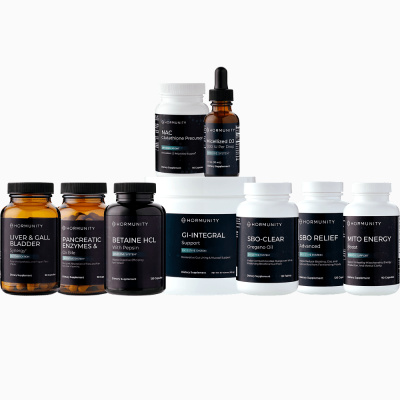
Treating SIBO requires much more than killing bacteria. SIBO develops because foundational digestive and immune processes are impaired: low stomach acid, poor bile flow, pancreatic insufficiency, inflammation, impaired motility, weakened epithelial lining, and biofilm formation. Because of this, successful SIBO treatment must address all mechanisms simultaneously, not just microbial overgrowth. The HORMUNITY® SIBO Program integrates targeted antimicrobials, digestive restoration, motility support, mucosal healing, and immune regulation, mirroring the comprehensive approach supported in clinical research.

ANTIMICROBIALS

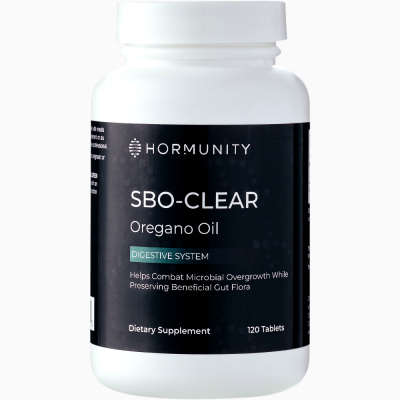
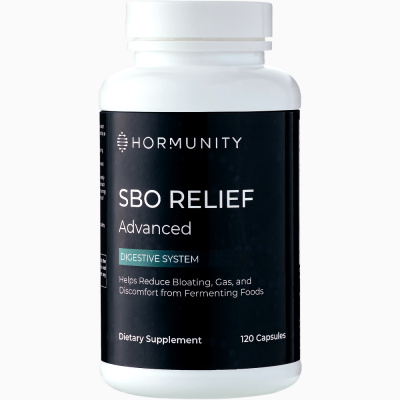
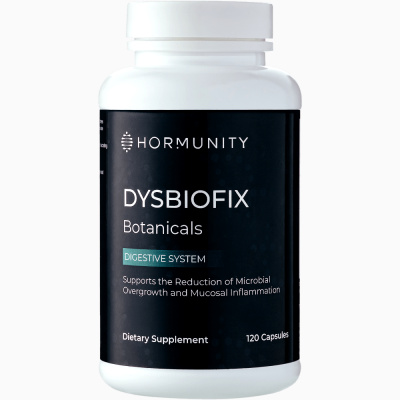
SBO Relief™, Dysbiofix Botanicals™, and SBO Clear Oregano Oil™ provide broad-spectrum antibacterial, antifungal, and anti-biofilm activity. These botanicals reduce harmful organisms, disrupt biofilms, calm inflammation, and help rebalance the microbiome - mirroring the research-backed herbal combinations shown to match rifaximin in effectiveness.

BIOFILM & DETOX SUPPORT

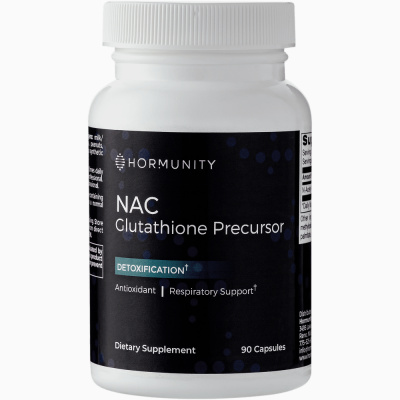
NAC Glutathione Precursor™ breaks down biofilms, increases glutathione, reduces oxidative stress during die-off, and supports liver detoxification of bacterial toxins.

BILE FLOW & FAT DIGESTION

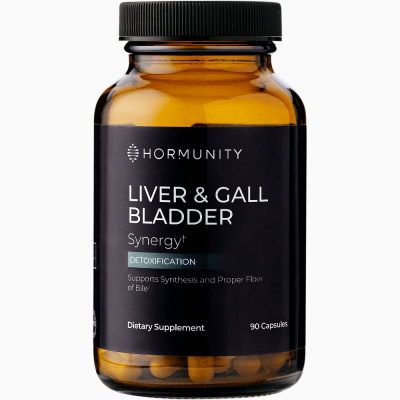
Liver & Gallbladder Synergy™ promotes bile production, fat digestion, and absorption of fat-soluble vitamins - all commonly impaired in SIBO. Better bile flow also provides natural antimicrobial protection and reduces bloating or nausea after fatty meals.

STOMACH ACID & ENZYME SUPPORT

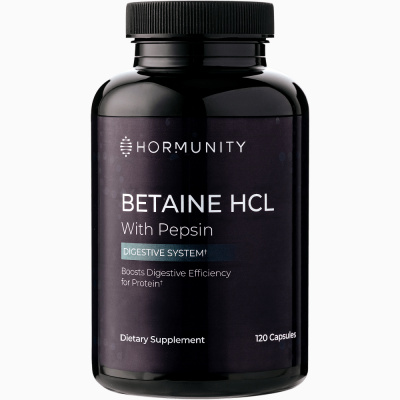
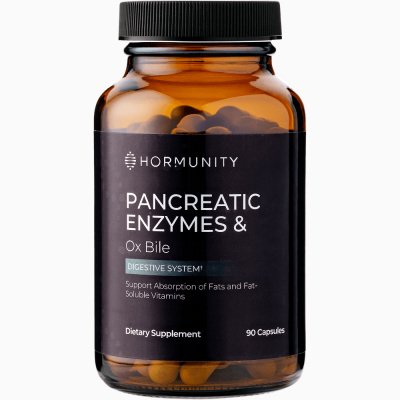
Betaine HCL + Pepsin™ restores gastric acidity to improve protein digestion and prevent fermentation of undigested food. Pancreatin Digestive Enzymes™ enhance the breakdown of fats, proteins, and carbohydrates, reducing gas and supporting proper nutrient absorption.

INTESTINAL LINING & INFLAMMATION SUPPORT

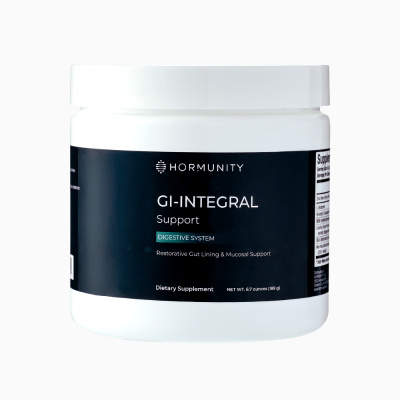
GI-Integral™ provides clinically effective nutrients to soothe and rebuild the intestinal lining, support healthy inflammatory response, restore mucosal integrity, and strengthen the gut-immune barrier. It contains no flavors, sweeteners, gums, or allergens - just clean, evidence-based GI-supporting ingredients.

IMMUNE & BARRIER REGULATION

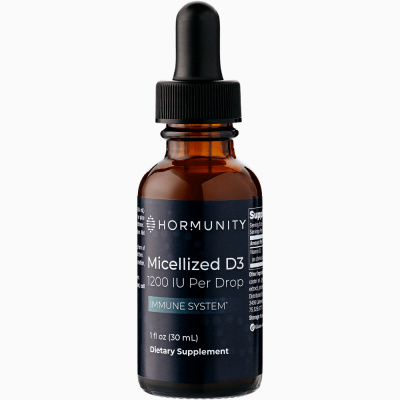
Micellized Vitamin D3™ tightens intestinal junctions, balances immune function, and supports a healthy inflammatory response - often deficient in SIBO due to fat malabsorption.

MITOCHONDRIAL ENERGY & MOTILITY SUPPORT

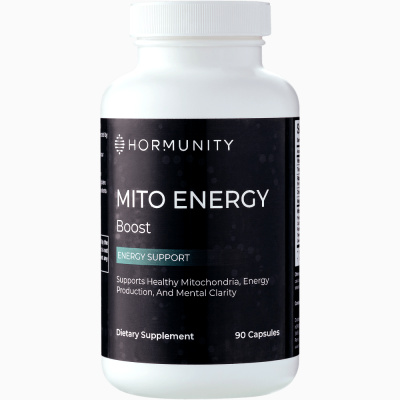
MITO Energy Boost™ provides targeted mitochondrial nutrients that support ATP production. When cellular energy is low, motility slows, bile thickens, and the small intestine becomes a stagnant environment where overgrowth thrives. Supporting mitochondrial function helps improve motility, enhance bile flow, strengthen detoxification, and ensure the body has the energy required to eliminate toxins and repair the gut lining during treatment.
How to Take Your Supplements

To support your comfort and safety, begin with one supplement and introduce the next every three days. This gradual approach makes it easier to recognize which product may be causing a reaction. If at any point you feel unwell or notice symptoms that concern you, pause the protocol and reassess.

Consult your healthcare provider before use if pregnant, nursing, or taking medications.
These statements have not been evaluated by the FDA.
This product is not intended to diagnose, treat, cure, or prevent any disease.

  • sbo-relief-advanced

    SBO Relief™

    Dosage & Timing

    Take 2 capsules × 3/day, 15–20 min before meals.

    2 capsules 3 x daily Before meals
  • dysbiofix-botanicals

    DysbioFix™ Botanicals

    Dosage & Timing

    Take 2 capsules × 3/day, 15–20 min before meals.

    2 capsules 3 x daily Before meals
  • sbo-clear-oregano-oil

    SBO Clear™ Oregano Oil

    Dosage & Timing

    Take 2 tablets × 3/day, 15–20 min before meals.

    2 tablets 3 x daily Before meals
  • liver-gall-bladder-synergy

    Liver & Gallbladder Synergy™

    Dosage & Timing

    Take 3 capsules × 1/day after breakfast.

    3 capsules 1 x daily After meals AM
  • mito-energy-boost

    Mito Energy Boost™

    Dosage & Timing

    Take 3 capsules × 1/day after breakfast.

    3 capsules 1 x daily After meals AM
  • gi-integral-support

    GI-Integral™

    Dosage & Timing

    Take 2 teaspoons × 1/day on an empty stomach between meals or before bed. Dissolve in water.

    2 teaspoons 1 x daily On empty stomach
  • betaine-hcl-with-pepsin

    Betaine HCL + Pepsin™

    Dosage & Timing

    Start with 1 cap at first bites of protein meals. Increase gradually until warmth, then reduce by 1. Max ~3000 mg/meal.

    1-3 capsules 3 x daily With meals
  • pancreatic-enzymes-ox-bile

    Pancreatin Digestive Enzymes™

    Dosage & Timing

    Take 1–2 capsules × 3/day after meals.

    1-2 capsules 3 x daily After meals AM
  • micellized-d3-1200-iu

    Micellized Vitamin D3™

    Dosage & Timing

    Take 4–5 drops × 1/day after breakfast.

    4-5 drops 1 x daily After meals AM
  • nac-glutathione-precursor

    NAC (N-Acetylcysteine)

    Dosage & Timing

    Take 2 capsules × 1/day in the morning on an empty stomach.

    2 capsules 1 x daily On empty stomach

Timing Notes

  • Antimicrobials must be taken before meals to reduce bacterial load in the small intestine.
  • HCL must be taken with the first bites of food that contains animal protein.
  • Digestive enzymes must be taken with meals.
  • NAC should be on an empty stomach for biofilm support.
  • Bile support (Liver & Gallbladder Synergy™) is once daily with the largest or fattiest meal.
  • MITO Energy Boost™ is best in the morning for cellular energy.
  • Vitamin D3 taken with breakfast improves absorption.
  • GI-Integral™ should be taken on an empty stomach, between meals or before bed.

Betaine HCL Pepsin: How to Use It Safely & Correctly

Betaine HCL Pepsin is a foundational supplement in SIBO treatment because adequate stomach acid is essential for protein digestion, microbial control, and preventing fermentation in the small intestine. However, HCL must be used correctly and is not appropriate for everyone.

CONTRAINDICATIONS (DO NOT USE HCL IF YOU HAVE):

  • Active gastric ulcer
  • Active duodenal ulcer
  • Erosive gastritis
  • Esophagitis or Barrett’s esophagus
  • Severe GERD with burning before eating
  • A history of GI bleeding
  • If you take NSAIDs, steroids, or blood thinners without medical supervision
  • After stomach or esophageal surgery unless cleared by a provider

If unsure, consult your healthcare practitioner before using HCL.

How HCL + Pepsin Dosing Works (Always Individualized)

Your HCL dose depends on the amount and type of animal protein in the meal.
This is why there is no single standard dose – it changes meal by meal.

General rule: more dense animal protein = more HCL needed.

  • HIGH-PROTEIN MEALS - Highest HCL Needs
    (Examples: red meat, steak, lamb, bison, duck, pork)
    These require the most capsules because they demand the strongest acid.
  • MODERATE-PROTEIN MEALS - Medium HCL Needs
    (Examples: chicken, turkey, white meat)
    Need a moderate HCL dose.
  • LIGHT-PROTEIN MEALS - Lowest HCL Needs
    (Examples: fish, shrimp, eggs)
    Typically require less HCL.

How to Find Your Perfect HCL Dose (Burn-Test Method)

You must find your individual tolerance because stomach acid requirements differ for every person and every meal.

STEP 1 - START LOW
At your next animal-protein meal, take: 1 capsule of HCL Pepsin with the first bites of food.
STEP 2 - OBSERVE
If you feel nothing, next meal increases to: 2 capsules.
If still nothing, next meal: 3 capsules.
…and so on.
STEP 3 - STOP AT THE “BURN”
When you reach the point where you feel: mild warmth / slight burning / heat in the stomach – you have exceeded your ideal dose slightly.
STEP 4 - ADJUST
At the next identical meal, reduce by 1 capsule.
That is your correct dose for that type of meal.

Important Safety Limits

  • Do NOT exceed 3000 mg HCL per meal.
  • Dose can change every meal depending on protein type and amount.
  • Do NOT take with meals without animal protein.

Conclusion

SIBO is a complex, multifactorial condition that cannot be resolved with antimicrobials alone. Successful treatment must address the root causes: impaired motility, low stomach acid, weak bile flow, mucosal inflammation, pancreatic insufficiency, post-infectious changes, structural restrictions, and lifestyle factors such as stress, poor sleep, and irregular eating patterns.

The HORMUNITY® SIBO Protocol is designed as a comprehensive, evidence-aligned program that supports each of these mechanisms simultaneously - using targeted botanicals, mitochondrial support, bile stimulators, acid and enzyme replacement, mucosal repair nutrients, immune modulators, and vitamin D optimization. This multifaceted approach reflects the current scientific understanding of SIBO as a disorder involving microbial imbalance, impaired digestive physiology, and disrupted intestinal barriers, not just bacterial excess.

Ongoing lifestyle support - structured meals, mindful eating, low-FODMAP diet during the antimicrobial phase, stress reduction, restorative sleep, and motility-friendly habits - helps maintain long-term balance and prevents recurrence. The evidence shows that integrative botanical therapy is comparable to rifaximin, that low stomach acid and impaired bile flow strongly contribute to SIBO, and that addressing motility, inflammation, and nutrient deficiencies significantly improves clinical outcomes. With the right combination of targeted supplements, digestive restoration, and individualized lifestyle adjustments, the small intestine can regain balance, symptoms reduce, and long-term gut resilience is restored.

Caution

Consult your healthcare provider before use if pregnant, nursing, or taking medications.
These statements have not been evaluated by the FDA.
This product is not intended to diagnose, treat, cure, or prevent any disease.

Bibliography

  • Danielson P. The cytochrome P450 superfamily: biochemistry, evolution and drug metabolism in humans. Curr Drug Metab. 2002;3(6):561–597.
  • Ulrich V. Cytochrome P450 and biological hydroxylation reactions. Topics Curr Chem. 1979;83:67–104.
  • Xu C., Li C.Y., Kong A.N. Induction of phase I, II and III drug metabolism/transport by xenobiotics. Arch Pharmacol Res. 2005;28(3):249–268.
  • Kohalmy K., Monostory K. Regulation of phase II biotransformation enzymes by steroid hormones. Curr Drug Metab. 2011;12(2):104–123.
  • James M.O., Ambadapadi S. Interactions of cytosolic sulfotransferases with xenobiotics. Drug Metab Rev. 2013;45(4):401–414.
  • Kodama S., Negishi M. Sulfotransferase genes: regulation by nuclear receptors in response to xeno/endo-biotics. Drug Metab Rev. 2013;45(4):441–449.
  • Wang L.Q., James M.O. Inhibition of sulfotransferases by xenobiotics. Curr Drug Metab. 2006;7(1):83–104.

Functional SIBO Protocol

Offer

Save 15% with protocol bundles

Carefully structured protocols designed to work together — at a better value than purchasing each product separately.

$410.99
Similar

Other protocols

View all
Digestive System Immune Mental Health Metabolic Health Thyroid Health

Hormunity® Carnivore Support Protocol

For smoother digestion, better energy, and a clearer mind on a meat-focused diet. The Hormunity® Carnivore Support Protocol is designed to help your body process higher amounts of protein and fat with ease. This targeted collection strengthens digestion at eve...

Read more
Women's Health Digestive System Detoxification Mental Health Essential Men's Health

Hormunity® Liver Detox Protocol

The HORMUNITY® Liver Detox Protocol is a professional-grade 3-phase system that helps your body detoxify naturally – supporting the liver, gallbladder, and cellular pathways responsible for cleansing and renewal. This advanced program combines Glutathione Comp...

Read more
Women's Health Detoxification

Hormunity® Hyperpigmentation Protocol

Healthy pigmentation depends on more than skincare alone. This comprehensive supplement protocol supports antioxidant protection, healthy detoxification, liver and gallbladder function, and balanced inflammatory responses to help maintain a brighter, more even...

Read more
Women's Health Digestive System Immune Detoxification

Hormunity® Candida Protocol

The HORMUNITY® Candida Protocol is a targeted, multi-phase system designed to rebalance yeast overgrowth, restore gut barrier integrity, and support immune function. This advanced formula combines antifungal botanicals, biofilm disruptors, probiotics, mucosal...

Read more
Cart

Your cart is empty

Fill your cart with amazing items.

Visit shop
Select date and time

Pick a date to see times.

Patient details

Enter the details of the patient who will take the test.

By continuing, you agree to our Terms & Conditions and Privacy Policy