Candida albicans is a normal resident of the gut, mouth, nasal passages, and vaginal tract, where it typically exists in a harmless yeast form. But when the ecosystem of the gastrointestinal tract becomes disrupted - through antibiotics, high-sugar diets, chronic stress, immune suppression, low stomach acid, mold exposure, or dysbiosis - Candida can shift into its invasive hyphal form, create biofilms, penetrate mucosal tissue, and trigger an array of systemic symptoms such as brain fog, bloating, fatigue, skin irritation, joint discomfort, and recurrent vaginal yeast infections.
While thrush or vaginal candidiasis is easy to diagnose, Candida overgrowth inside the GI tract often presents with vague, whole-body symptoms that mimic other conditions like SIBO, IBS, or dysbiosis. This is because Candida metabolites, biofilms, and inflammatory byproducts place a heavy burden on detoxification pathways - especially the liver - and weaken intestinal barrier integrity over time.
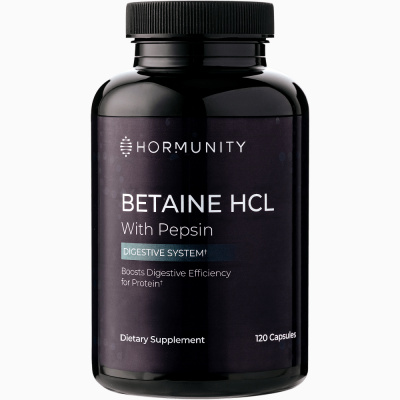
A critical, frequently overlooked root cause is low stomach acid. Betaine HCL with Pepsin is often deficient in individuals with Candida overgrowth. Low acidity allows yeast to survive through the stomach, disrupts protein digestion, alters the microbiome, and weakens natural antifungal defenses. Prolonged use of acid-suppressing medications (PPIs, H2 blockers), stress, aging, and nutrient deficiencies all lower gastric acid and create the perfect environment for Candida to flourish in the upper GI tract.
Candida also becomes significantly more persistent when mold exposure or mycotoxin burden is present. Mycotoxins suppress immune function, impair detoxification, and damage the gut barrier - meaning Candida will continually return until mold-related inflammation is addressed. For many individuals, chronic yeast issues are less about Candida itself and more about the compromised internal environment that allows it to overgrow.
And most importantly: Candida cannot be controlled without the correct diet. Even the strongest antifungals will fail if the individual continues consuming high amounts of simple sugars, sweetened beverages, pastries, refined carbohydrates, fruit juices, processed foods, alcohol, or yeast-based products. These foods directly feed yeast overgrowth and will override any supplement protocol. The diet must focus on low sugar, low starch, clean proteins, healthy fats, and high-fiber vegetables, with strict avoidance of hidden sugars, sweet sauces, and fermented alcoholic beverages.
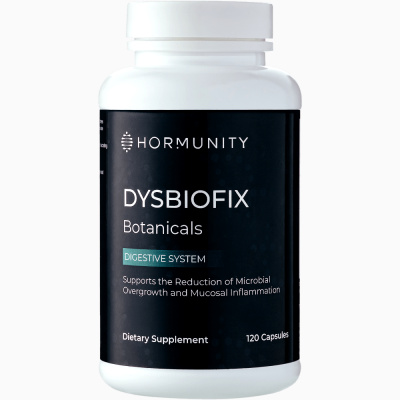
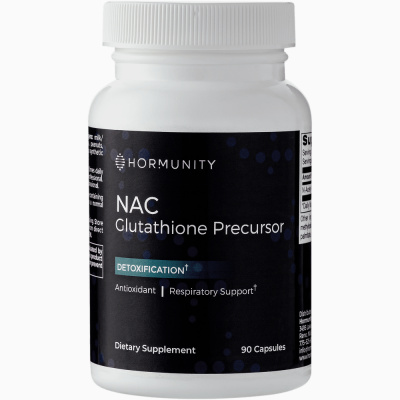
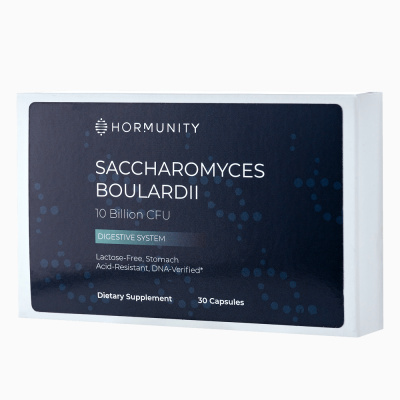
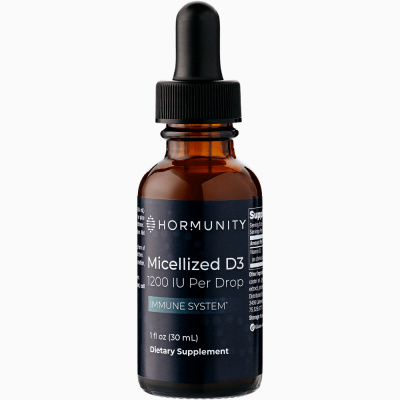
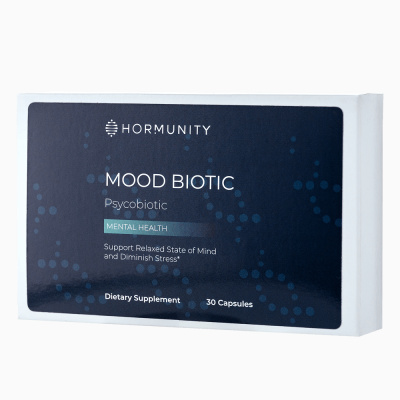
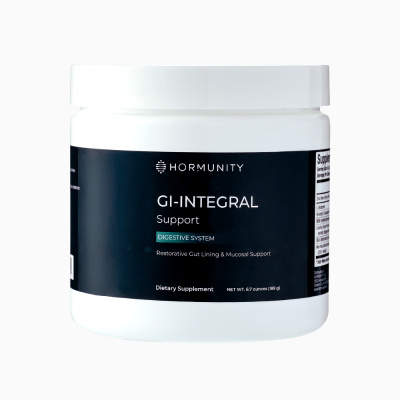
The Hormunity® Candida Protocol is designed to address these deeper root causes rather than simply suppressing yeast. With SBO-Clear™ Oregano Oil, DysbioFix™ Botanicals, NAC Glutathione Precursor™, Saccharomyces boulardii™, Micellized Vitamin D3™, Mood Biotic™, GI-Integral™, and Betaine HCL with Pepsin, this protocol works to:
- Disrupt fungal biofilms and reduce invasive hyphal forms
- Restore healthy microbial balance and support beneficial flora
- Repair mucosal barrier integrity and reduce inflammation
- Strengthen immune resilience and improve detoxification capacity
- Rebuild gut lining for long-term protection
- Support gastric acidity and protein digestion, restoring the body’s natural antifungal defense
Candida is resilient and adaptable, which is why a multi-layered, root-cause–focused strategy is essential. The goal is not to eliminate Candida completely - because it is a normal commensal organism - but to return it to a healthy, non-invasive state while rebuilding a robust gastrointestinal ecosystem that prevents recurrence.